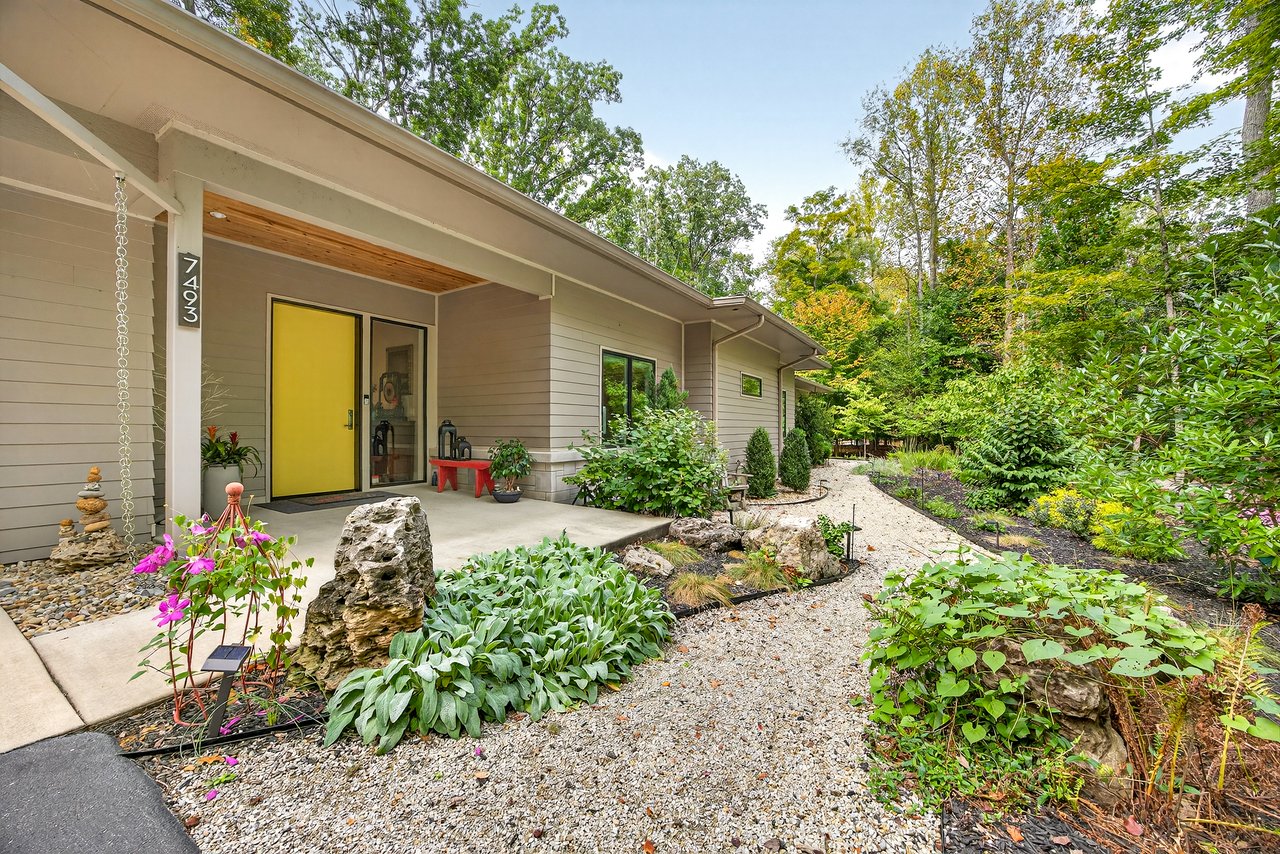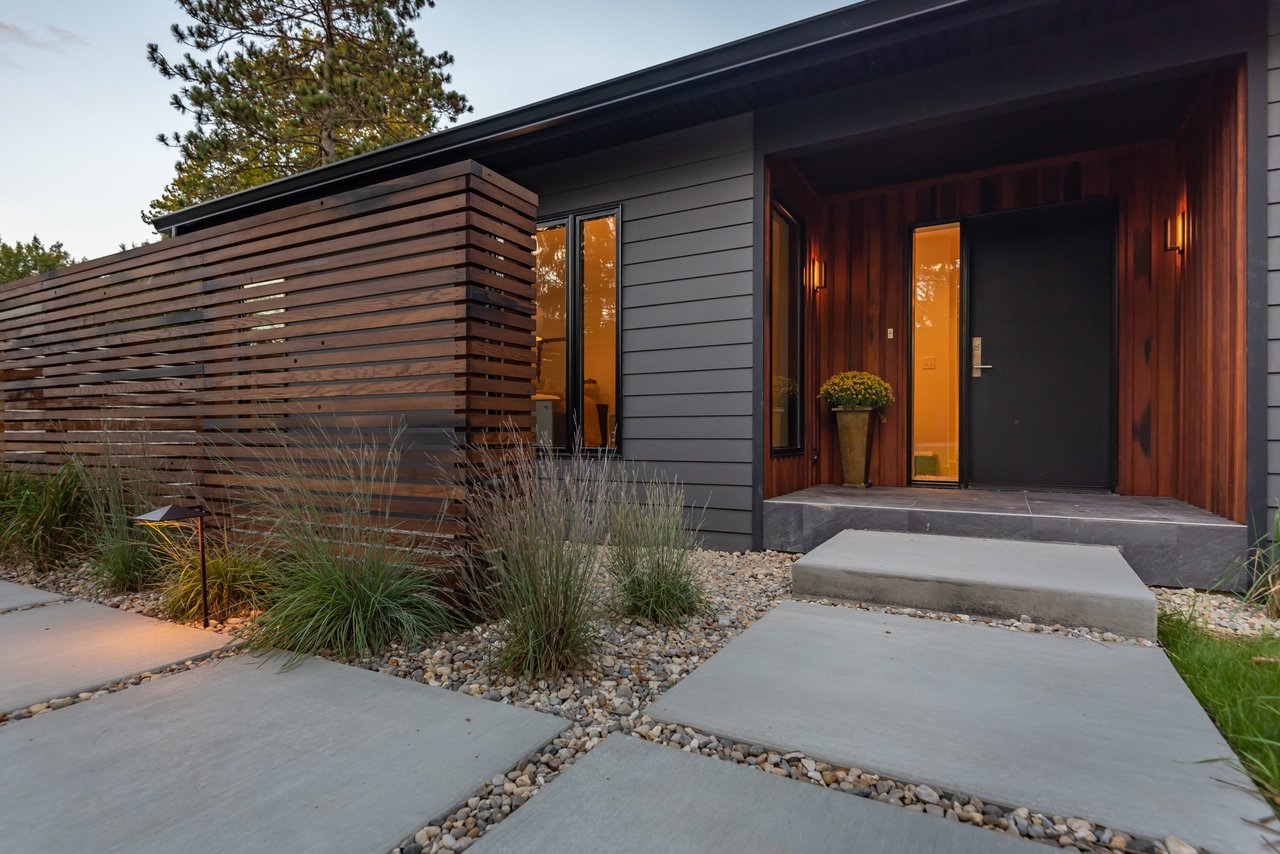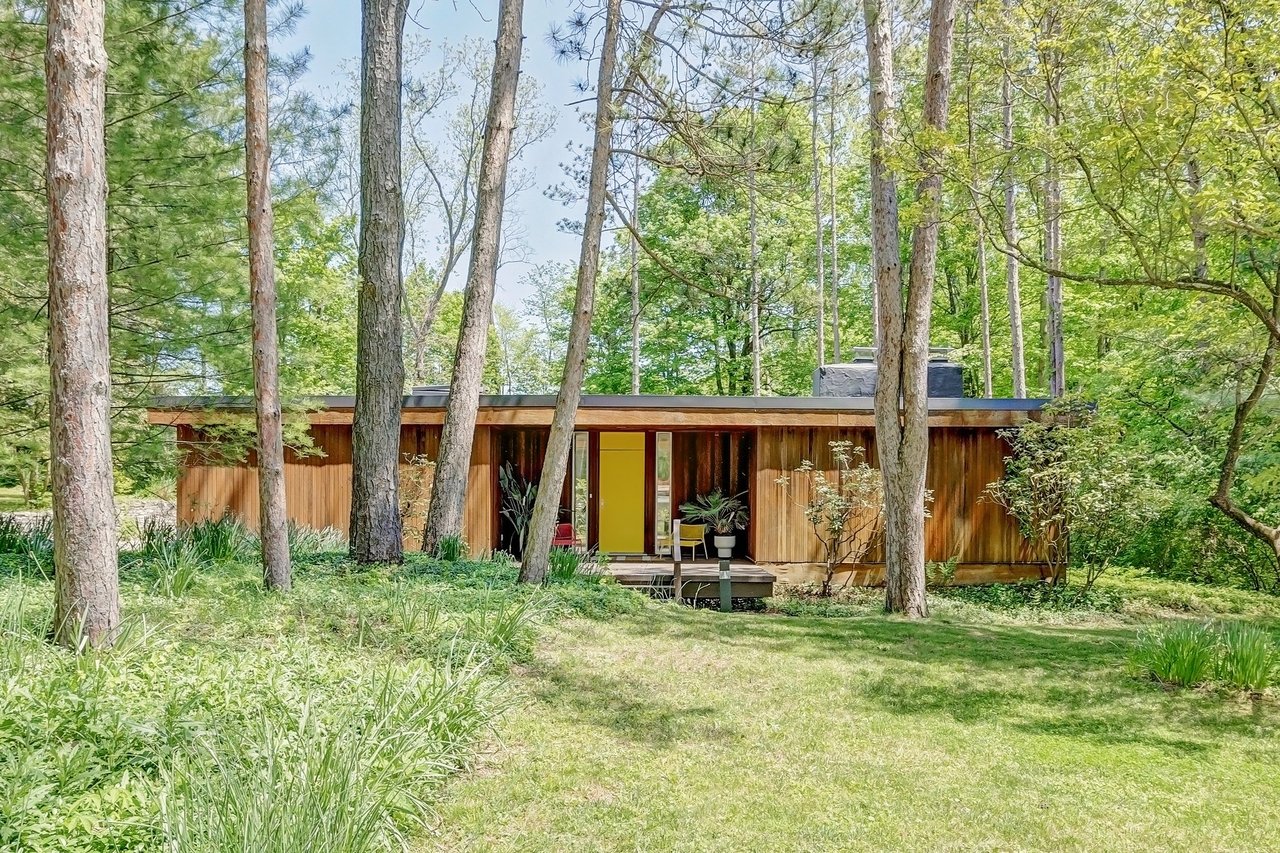
When people ask what their home is worth, they often expect there to be a fairly straightforward answer.
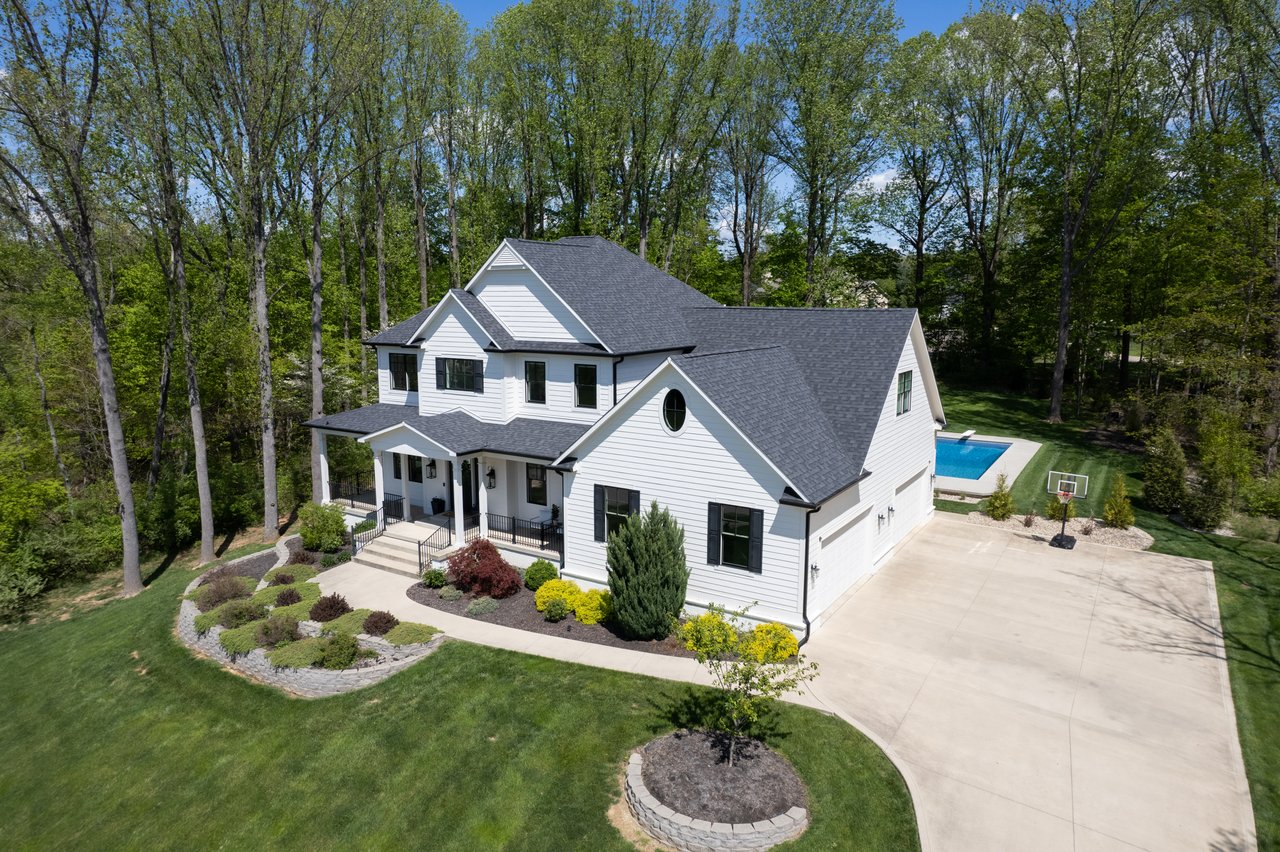
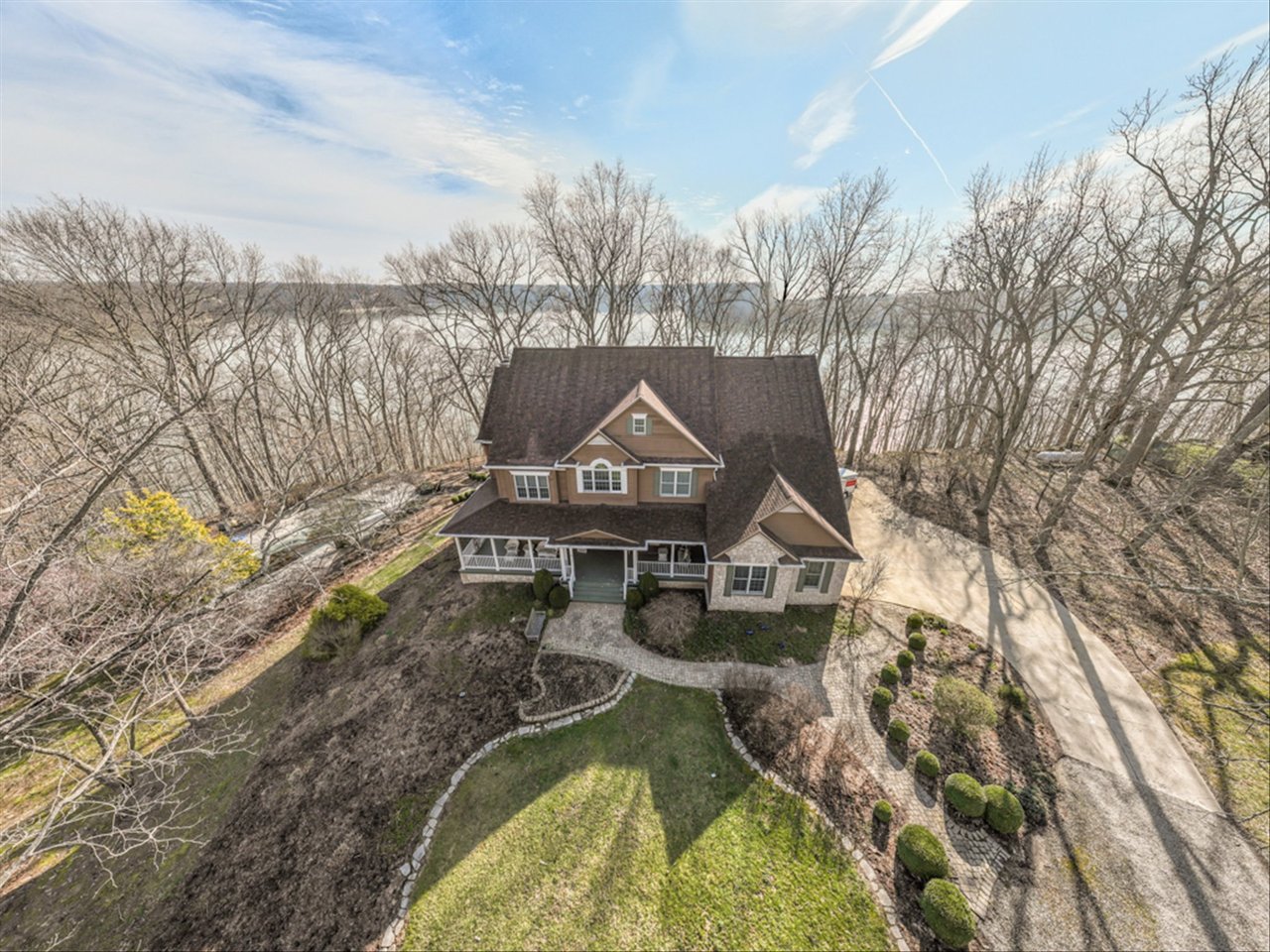
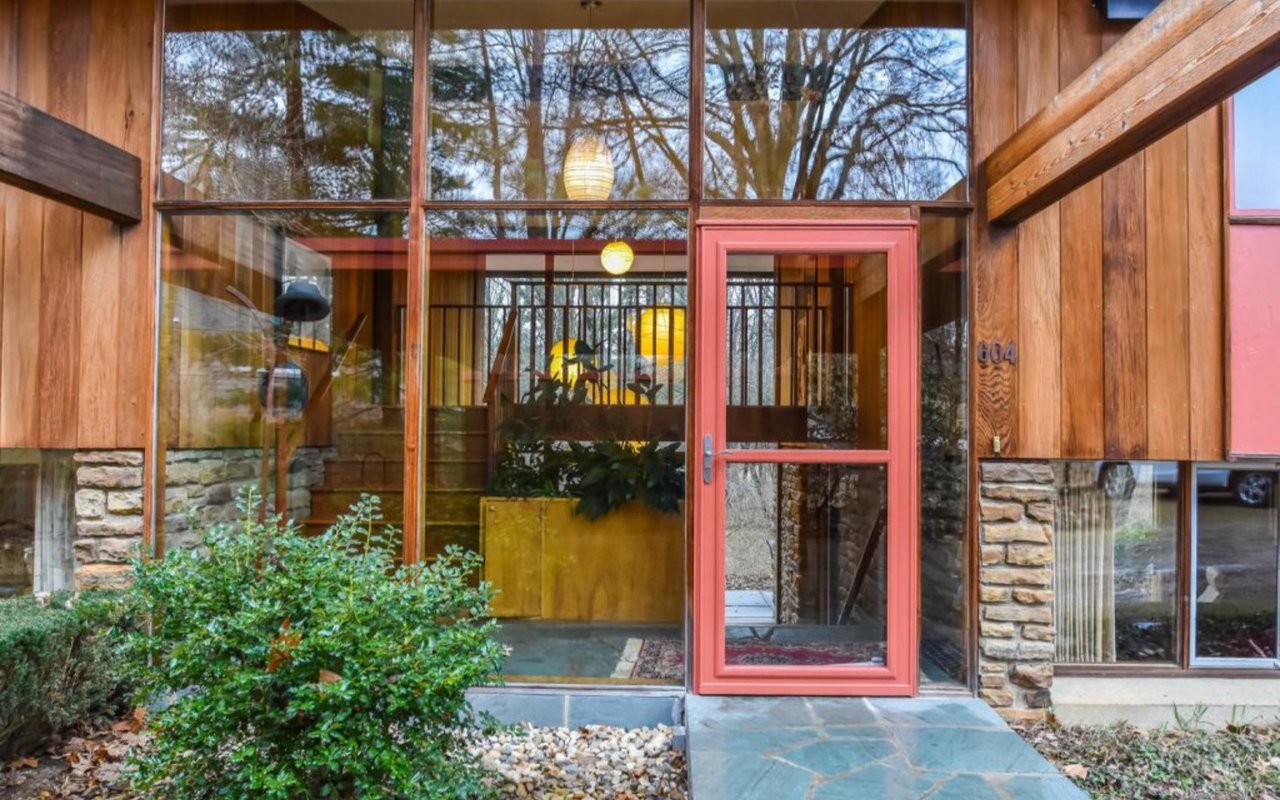
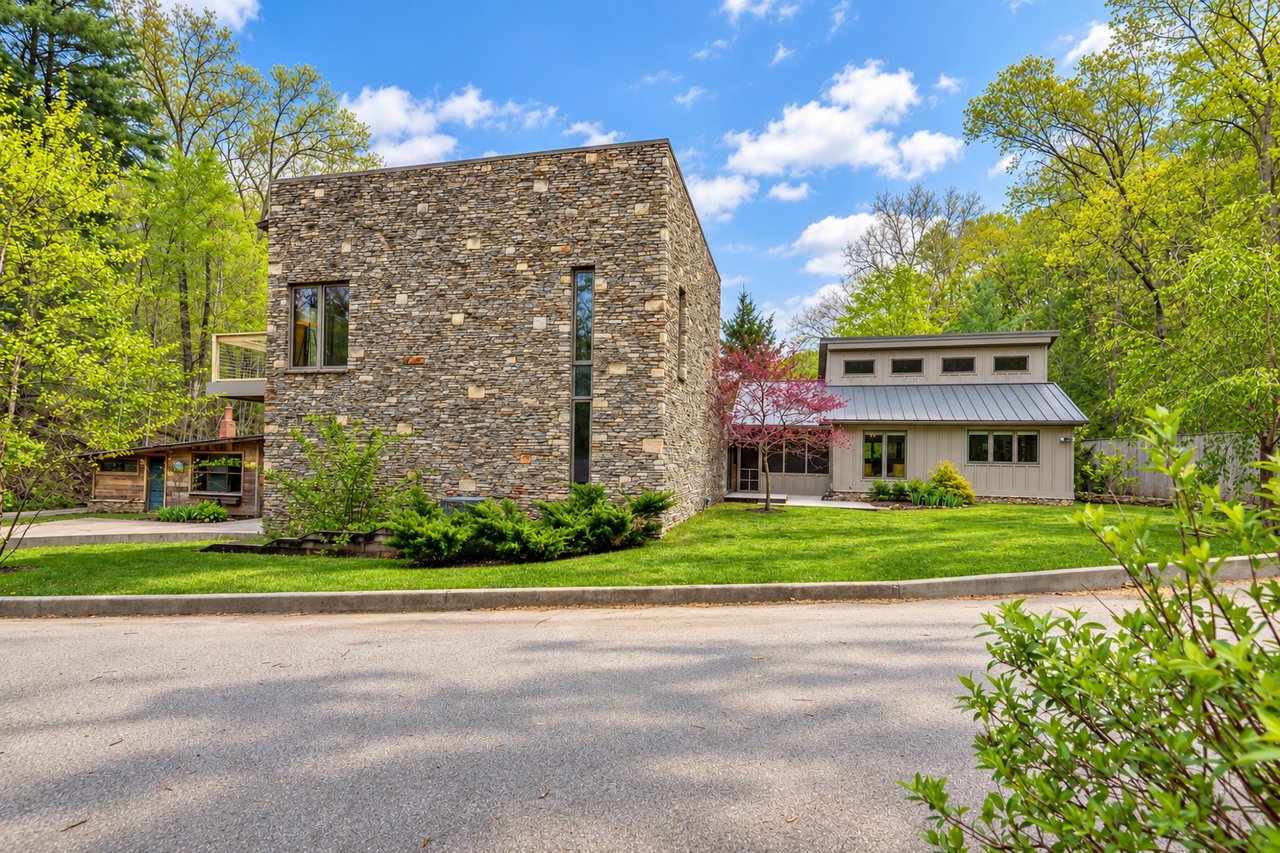
Sometimes there is. If several similar homes have sold recently in the same neighborhood, pricing can be relatively clear, but some homes are much harder to compare. Maybe the property sits on several acres. Maybe it has a detached workshop, a major renovation, custom construction, lake access, an unusual floor plan, or a setting that is difficult to replicate.
That's where pricing becomes much more nuanced.
Comparable Sales Are Still the Starting Point
I always start with the market. What has sold nearby? What is currently listed? What went under contract quickly? What has been sitting?
Comparable sales matter, but sometimes there simply is not another property that matches closely enough to give us an obvious answer. In that case, we have to look more carefully at which sales are truly relevant and where the meaningful differences are.
Not Every Feature Has a Simple Dollar Value
One of the trickiest parts of pricing a unique home is that some features matter a lot without having a neat dollar amount attached to them.
A workshop may be a huge selling point to one buyer and barely matter to another.
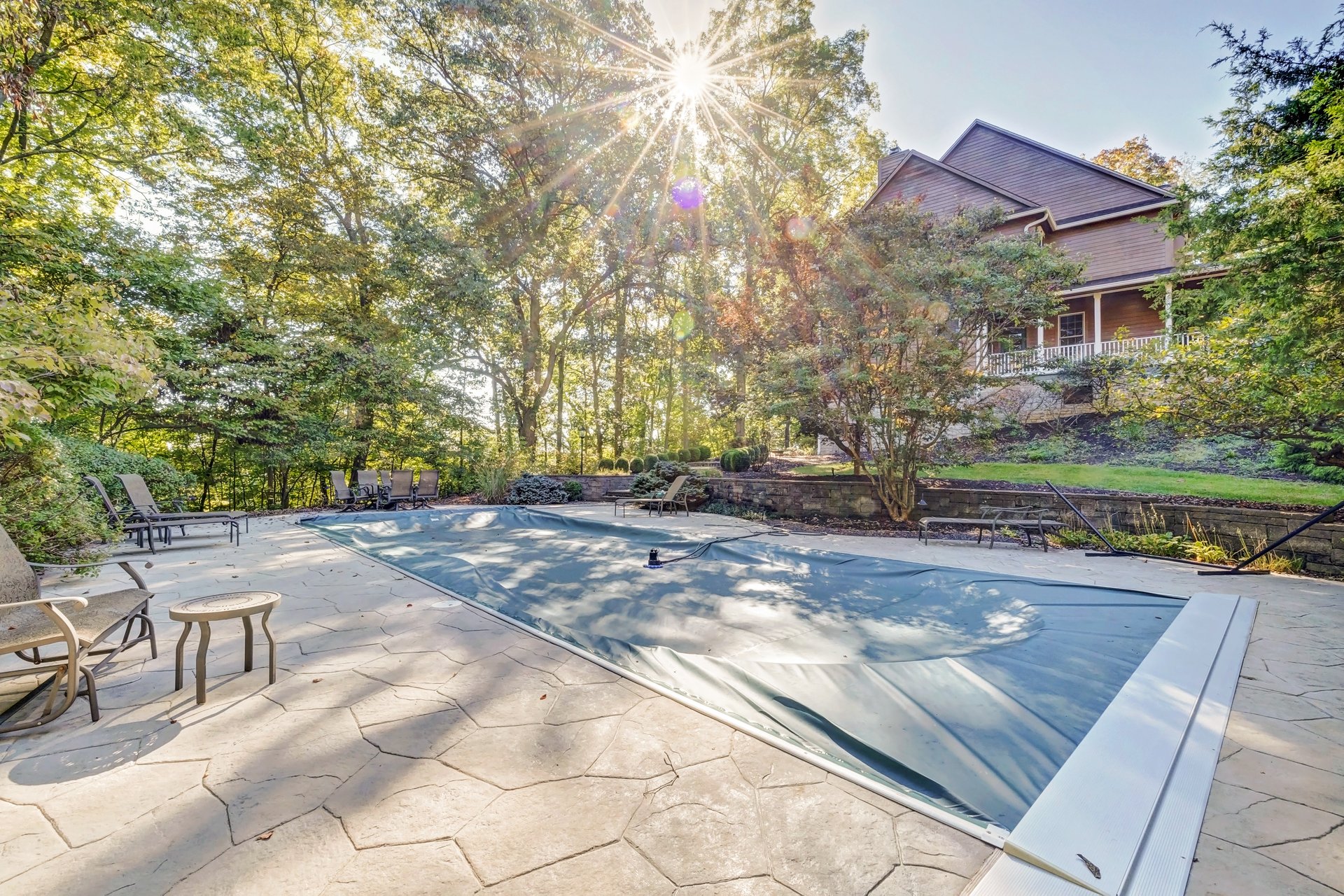
The same can be true of acreage, an elevator, extensive landscaping, lake access, a finished basement, a pool, or a major custom renovation.
Those features can absolutely affect value, but there usually isn't a simple formula that says, “This feature adds exactly this much.” The real question is how the overall property compares with what buyers can find elsewhere.
Price Per Square Foot Is Only One Piece
I look at price per square foot, but I do not rely on it by itself.
Two homes with similar square footage can have very different values based on location, lot, condition, age, quality of construction, updates, outbuildings, and how the space is actually used.
A beautifully renovated home on a great lot is not necessarily comparable to a larger home that needs significant work just because the numbers look similar on paper.
Price per square foot can be useful context, but it's not a pricing strategy.
The Land May Be a Big Part of the Story
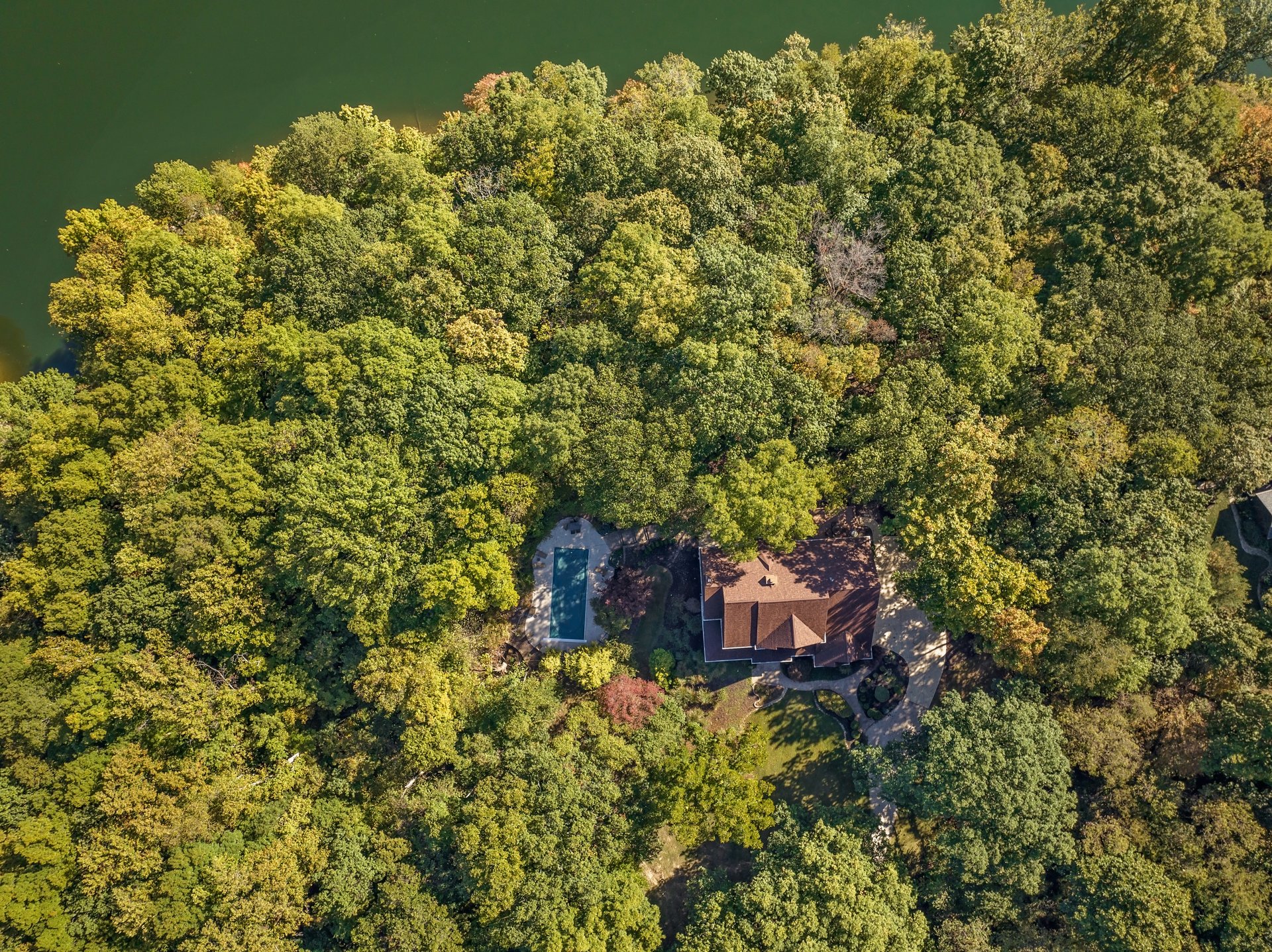
With some properties, the lot or acreage is a major part of what makes the home valuable. Privacy, usable land, mature trees, a view, waterfront access, or a particularly good setting can all influence how buyers respond.
But even here, the value is not always straightforward.
A buyer specifically looking for acreage may see a property as difficult to replace. Another buyer may immediately think about mowing, maintenance, or distance from town.
That's why pricing a property like this requires thinking not only about the home itself, but also about who is most likely to want it.
Improvements Matter, But Cost and Value Are Not the Same Thing
Sellers understandably want the improvements they have made to count. And they do... but the amount spent on a project doesn't automatically equal the amount it adds to the sale price.
A renovation may make a home much more desirable, but its resale value depends on the quality of the work, how recently it was completed, how well it fits the home, and how much buyers in that price range care about it.
Sometimes an improvement adds obvious market value. Sometimes its biggest value was the enjoyment it gave the homeowner while they lived there.
And sometimes, as a friend of mine likes to say, being an adult means spending a lot of money just to have things work exactly the way they did before. Replacing a failed essential system like an air conditioner may be necessary, but that doesn't mean you'll see a dollar-for-dollar return when you sell.
Current Competition Matters More Than People Realize
While pricing does include looking backward at what has sold, it's also about looking at what a buyer can choose from right now.
If there are several strong alternatives on the market, that affects how a home needs to be positioned.
If the property offers something genuinely difficult to find, that matters too.
When I'm pricing a home, I want to know what buyers will be weighing it against today and where it stands relative to the other options on the market. You can read a little more about pricing considerations for unique homes in this post.
Sometimes the Best Answer Is a Range
With a very unique property, pretending there is one perfectly precise number can create false confidence. Sometimes the more useful conversation is about a realistic range.
At what price does the home feel compelling?
At what price does it start requiring a very specific buyer?
How much competition is there?
How quickly does the seller want or need to move?
Those questions are part of the pricing decision too.
The Market Keeps Giving Us Information
Pricing doesn't stop the day the home goes live.
Once a property is on the market, we start getting additional information from showings, buyer feedback, online activity, competing listings, and how the market is responding.
I pay attention to those patterns. If buyers are consistently seeing the home but choosing something else, that tells us something. If there is very little activity at all, that tells us something too.
The market is constantly giving us information. Part of my job is knowing what to do with it.
What I Want Sellers to Know
A pricing analysis for a unique property should involve more than pulling a few nearby sales and averaging the price per square foot.
It takes looking at the details, understanding what is difficult to replicate, studying the current competition, and thinking about how buyers are likely to respond.
My goal is to recommend a price and strategy that make sense for the property, the current market, and the seller’s goals.
Related Reading
What Home Improvements Add the Most Value Before Selling Your Home?