If you're thinking about moving into a larger or higher-priced home, one of the first questions is usually the hardest:
Should I sell my current home first, or buy the next one first?
There isn’t one right answer.
The best plan depends on your finances, how much equity you have in your current home, how quickly homes like yours are selling, and how competitive the market is for the kind of home you want to buy.
Start With Your Financial Flexibility
Before deciding which direction makes the most sense, I usually want buyers to understand how much flexibility they have.
Can you qualify for the new home before selling your current one? Do you need the proceeds from your sale for the next down payment? Would carrying two homes temporarily be manageable?
Those answers can make the decision much clearer.
If you need the equity from your current home to buy the next one, selling first may be the safest route. If you have more flexibility, buying first may give you more time to find the right property without feeling rushed.
When Selling First Can Make Sense
Selling first can give you a very clear picture of your budget and remove some uncertainty from the next purchase.
It may also put you in a stronger position when making an offer because you are not relying on the sale of your current home.
The downside is timing. If you sell before finding your next home, you may need temporary housing, a short-term rental, or some flexibility with possession.
For some sellers, that's worth it. For others, moving twice is the last thing they want to do.
When Buying First Can Make Sense
Buying first can be appealing if the right homes in your target area or price range do not come on the market often.
It lets you wait for the home that really fits instead of feeling pressure to choose quickly because your current home is already under contract.
The tradeoff is financial. You may need to qualify while still owning your current home, and there may be a period when you are carrying both properties.
That can work well for some buyers, but it should be planned carefully.
What About a Home-Sale Contingency?
Another option is making an offer that is contingent on the sale of your current home.
Whether that is realistic depends heavily on the property and the current market.
If the home you want has been sitting on the market, a seller may be more open to a contingency. If it is new to the market and has several interested buyers, a contingent offer may be less competitive.
This is where timing and local market conditions matter quite a bit.
Prepare Your Current Home Before You Start Looking
Even if you are not ready to list yet, I usually recommend getting your current home as close to market-ready as possible before seriously shopping.
That might mean:
- Touching up paint
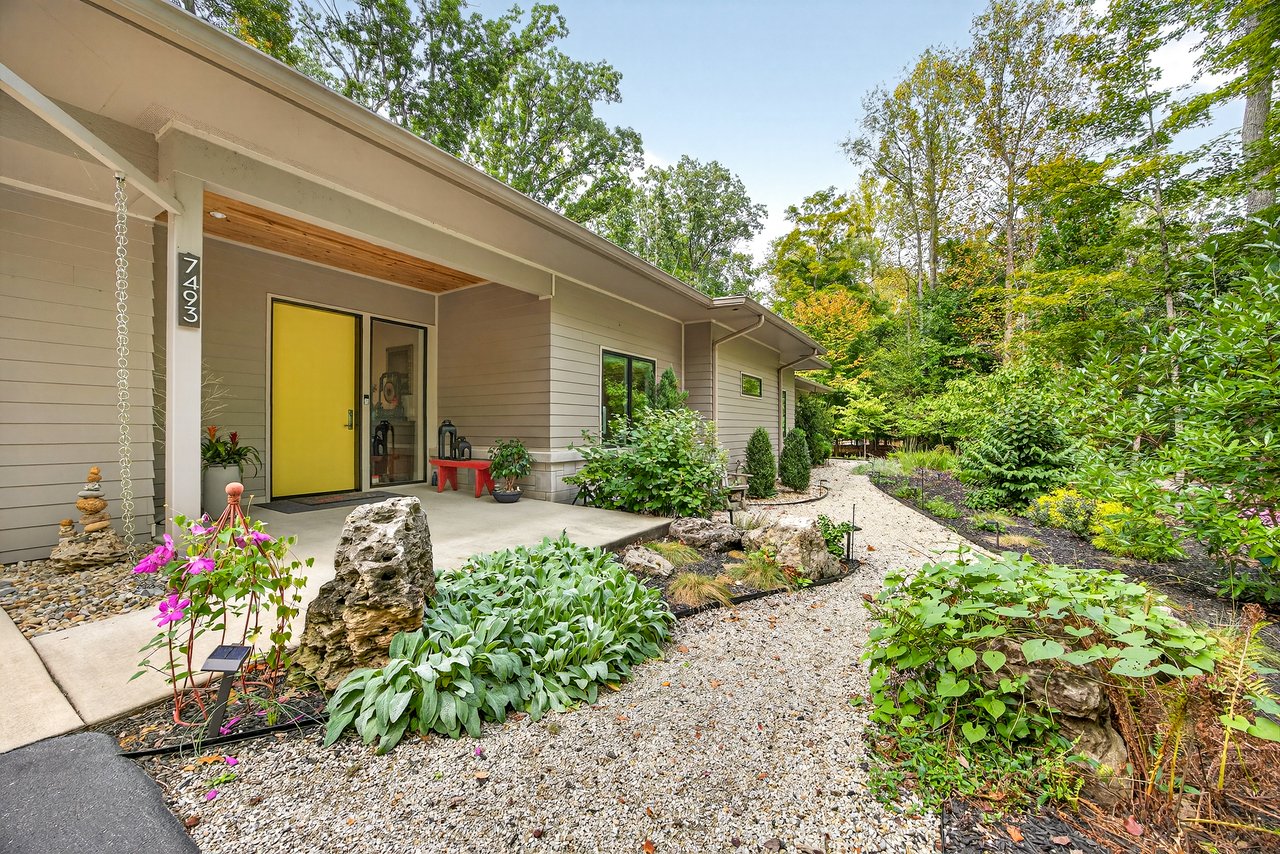
- Improving landscaping
- Taking care of deferred maintenance
- Decluttering
- Scheduling photography or other listing prep early
The goal is to avoid finding the perfect next home and then realizing you need several weeks to get your current one ready.
Think About the Timing You Can Live With
A move-up purchase is really two transactions happening at once, and that means there are several dates to coordinate.
Think about how comfortable you are with:
- Owning two homes temporarily
- Moving twice
- A short-term rental
- Delayed possession
- A fast listing timeline
- Making an offer before your current home is sold
There is usually more than one workable path. The goal is to choose the one that creates the least stress and gives you the strongest position.
My Advice for Move-Up Buyers
Before you start touring homes, make a plan for both sides of the move.
Know what your current home is likely to sell for. Talk with your lender about your options. Decide how much overlap you are comfortable with. Then we can structure the search around those realities.
I have found that move-up buyers feel much more confident once they understand the order of events and what their backup plan would be if the timing does not line up perfectly.
You don't have to figure all of that out on your own before reaching out.
If you're considering a move in Bloomington, I’d be happy to help you think through both the sale of your current home and the purchase of your next one so the two pieces work together as smoothly as possible.
Related Reading
If you're thinking about moving into a higher-priced home, you may also find these helpful:
What Does $600,000+ Buy in Bloomington, Indiana?
What Home Improvements Add the Most Value Before Selling Your Home?