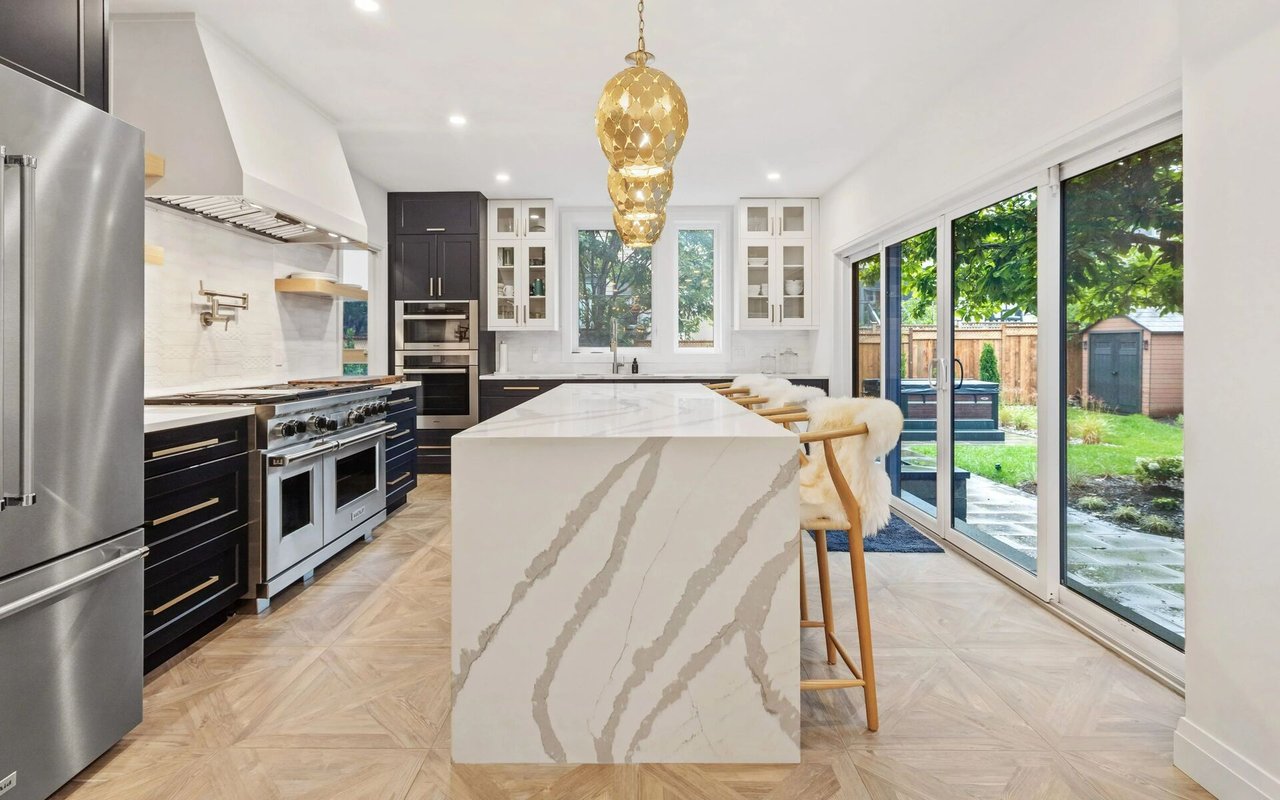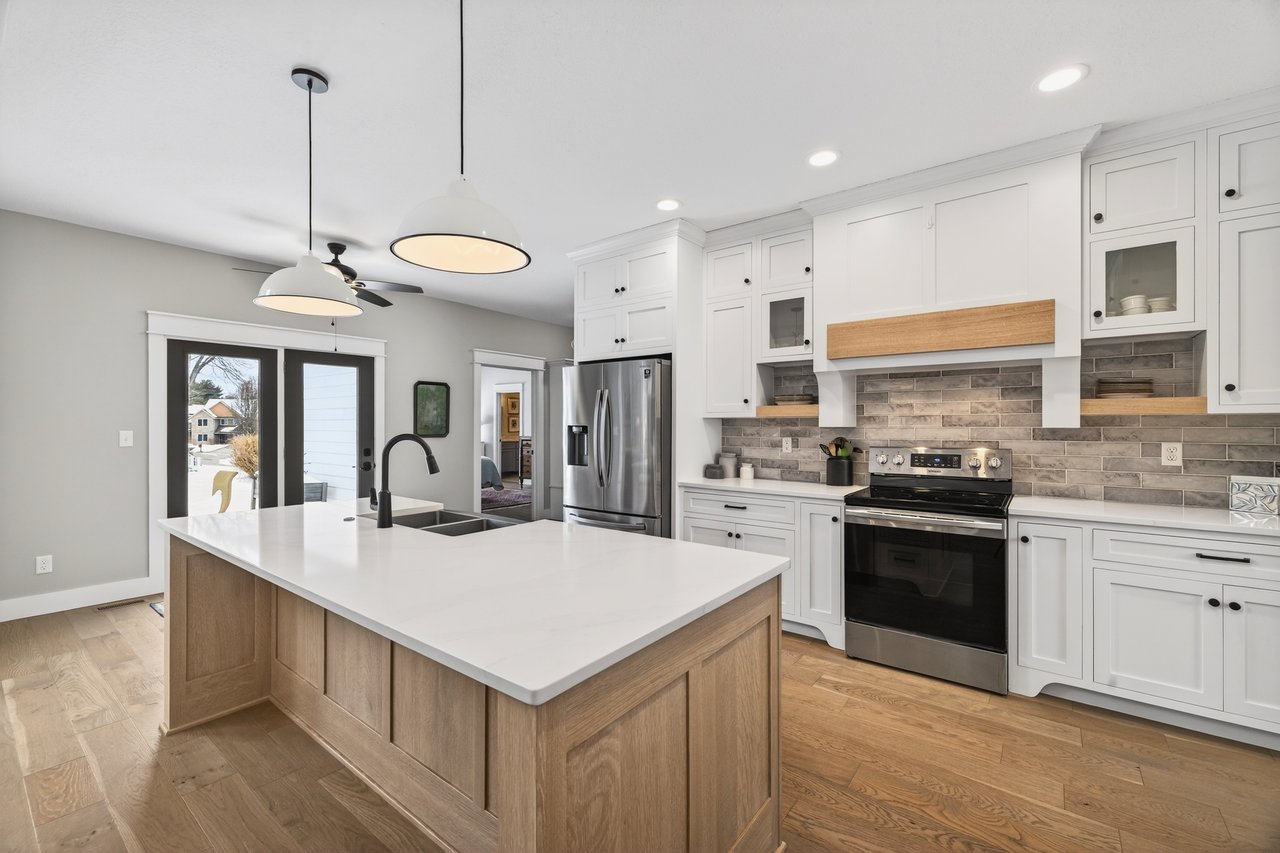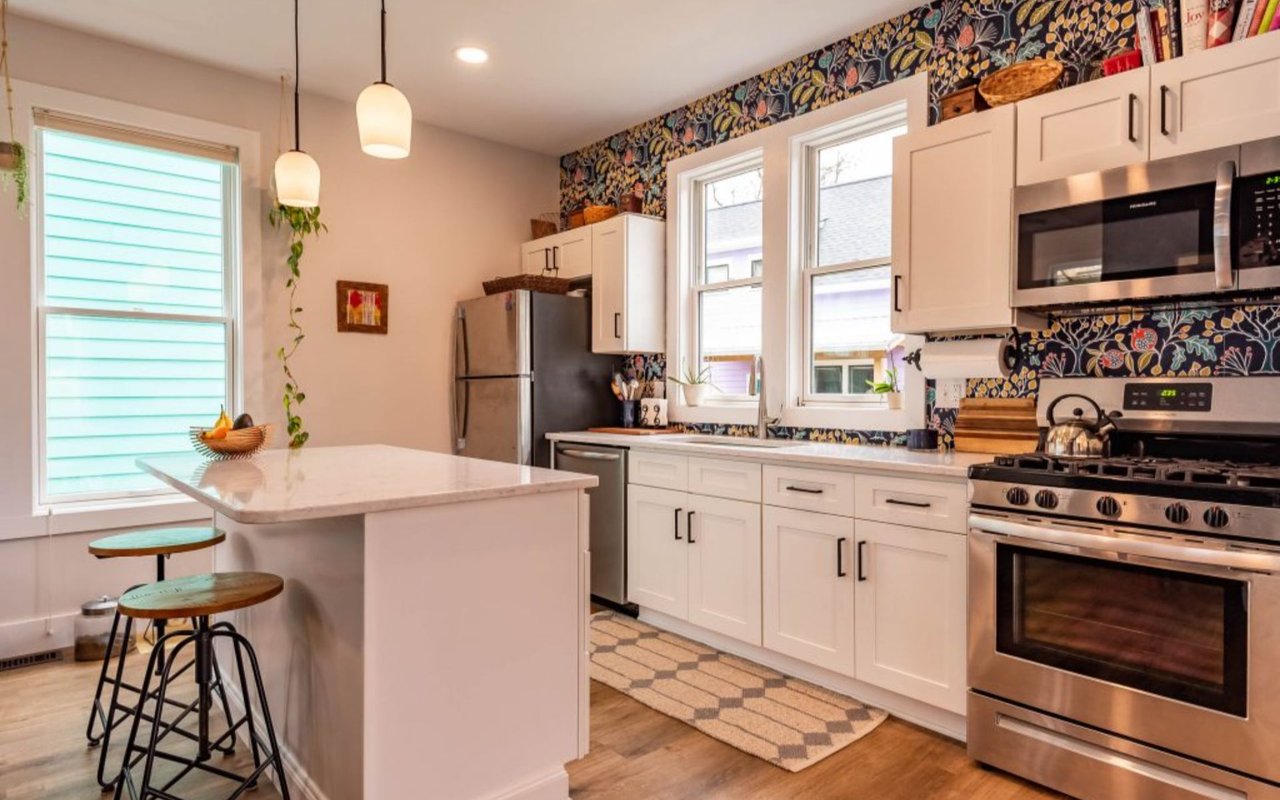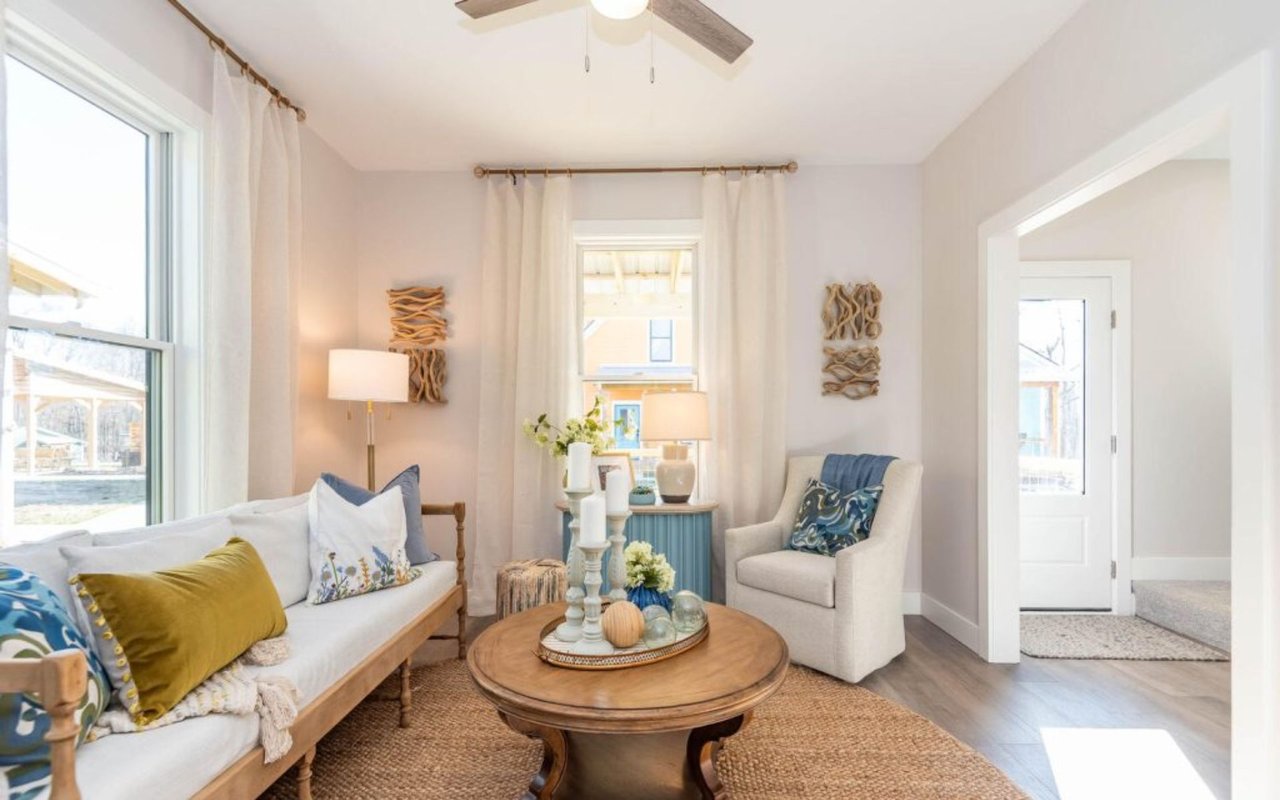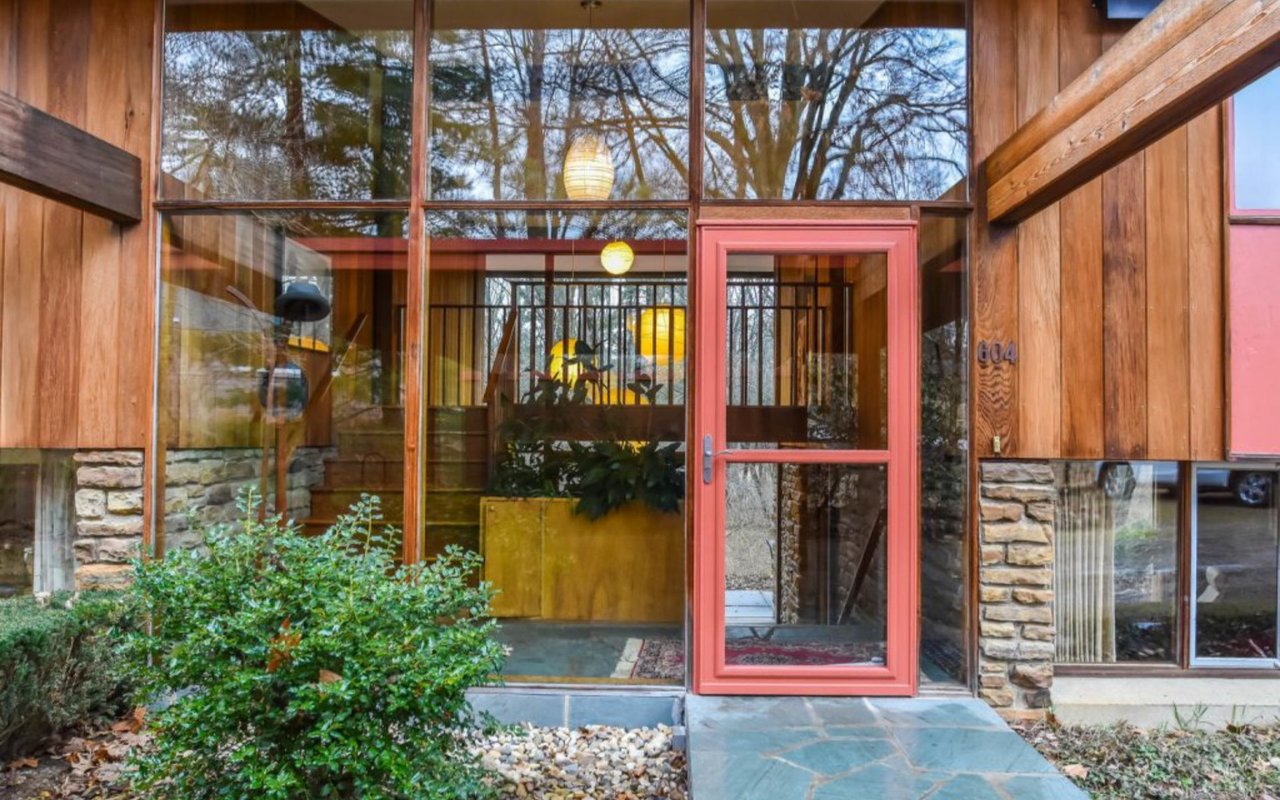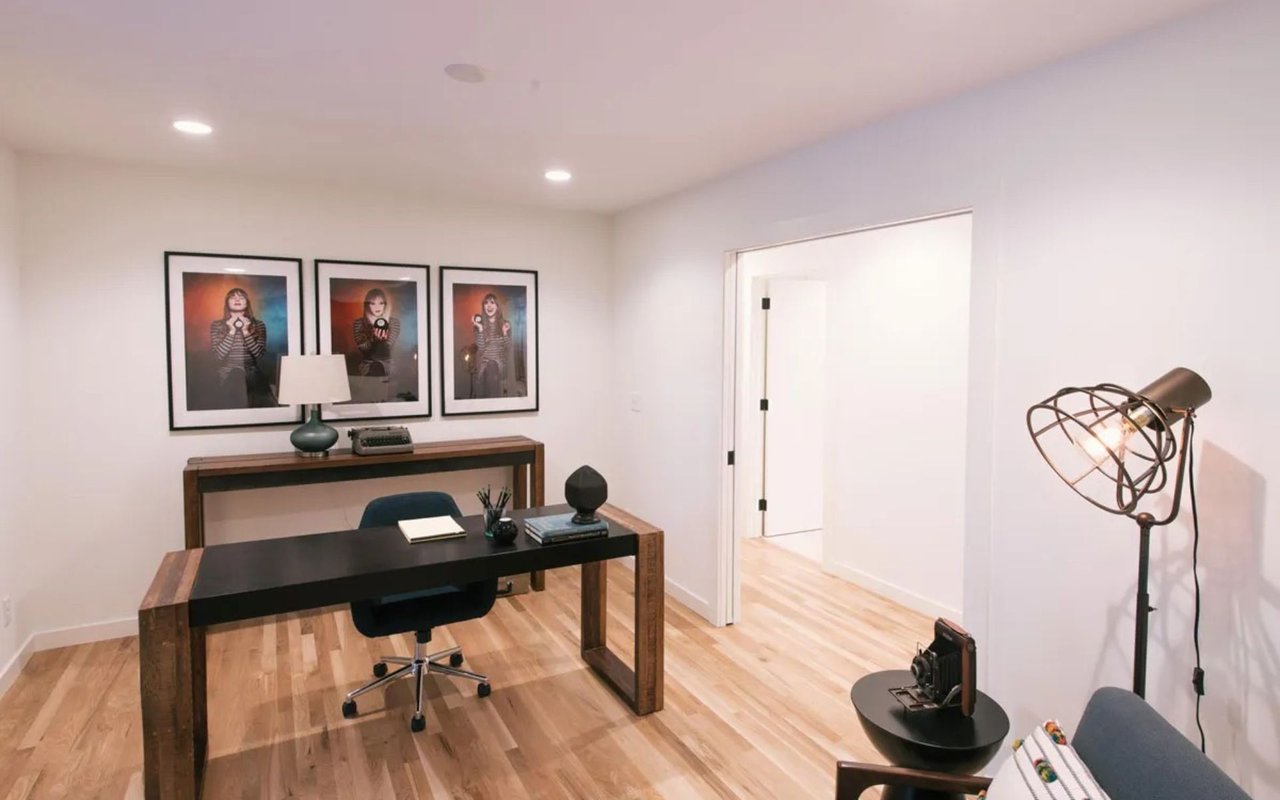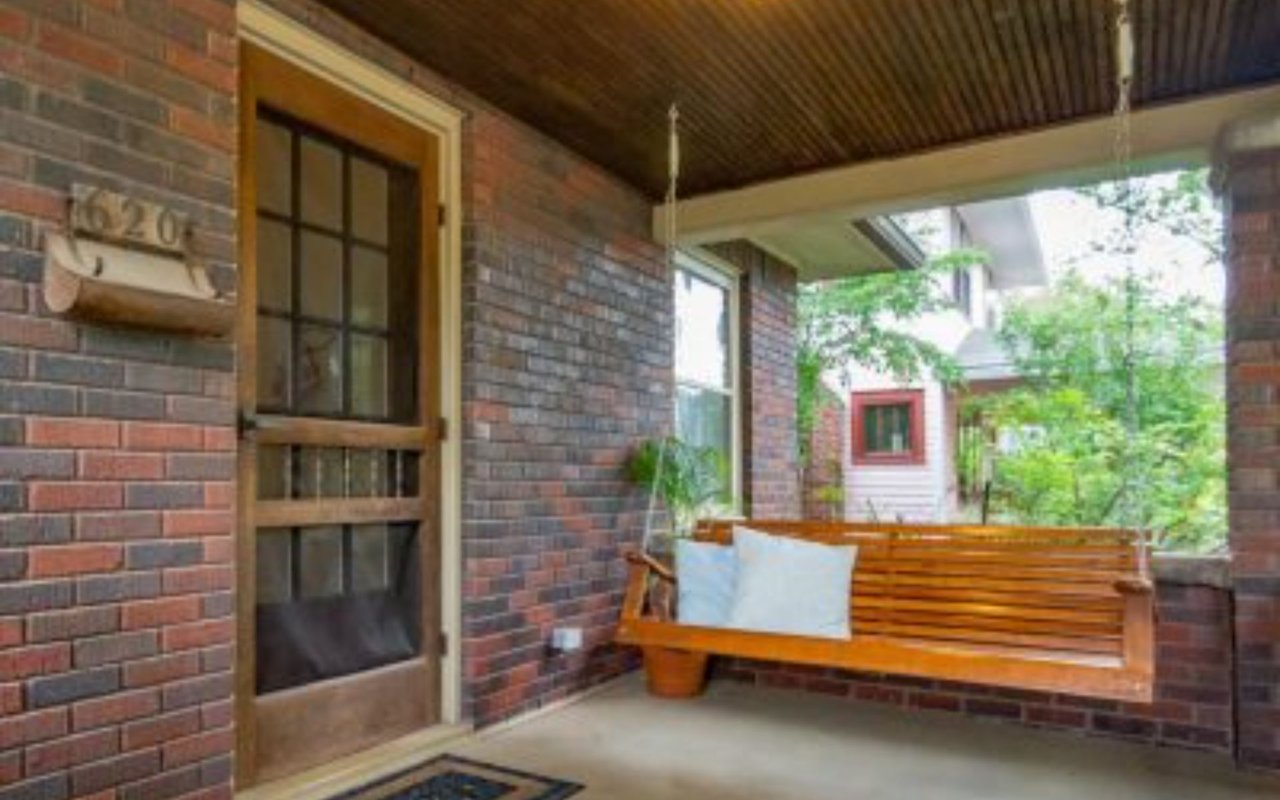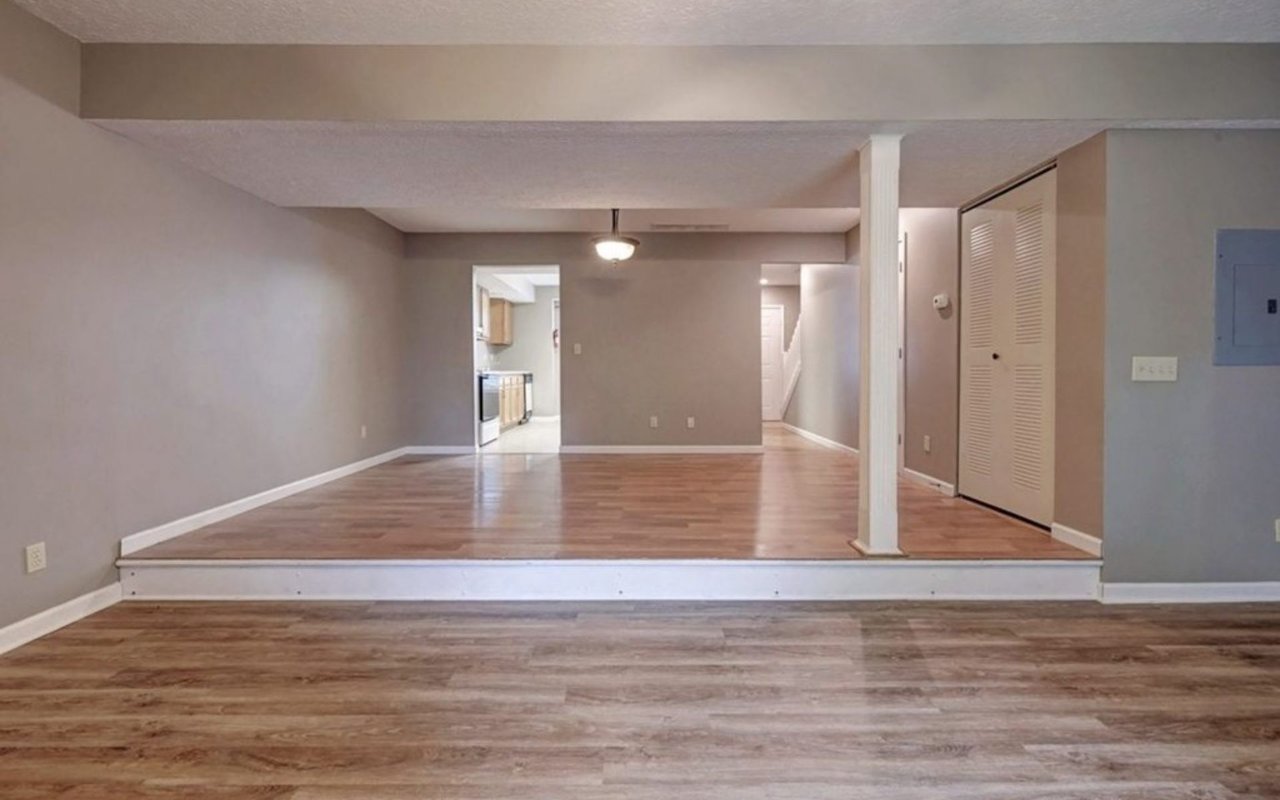
One of the most interesting parts of showing homes is watching buyers compare properties that are listed at similar prices.
On paper, two homes may look pretty comparable. Then we walk through them, and one just feels like a much better value.
Sometimes it’s obvious why. Other times, it takes a little digging.
That’s because value is about much more than square footage or the list price. It helps to zoom out to the whole picture: location, lot, condition, layout, maintenance, updates, and which parts of the property would be difficult to recreate somewhere else.
Condition Matters, But It Isn't Everything
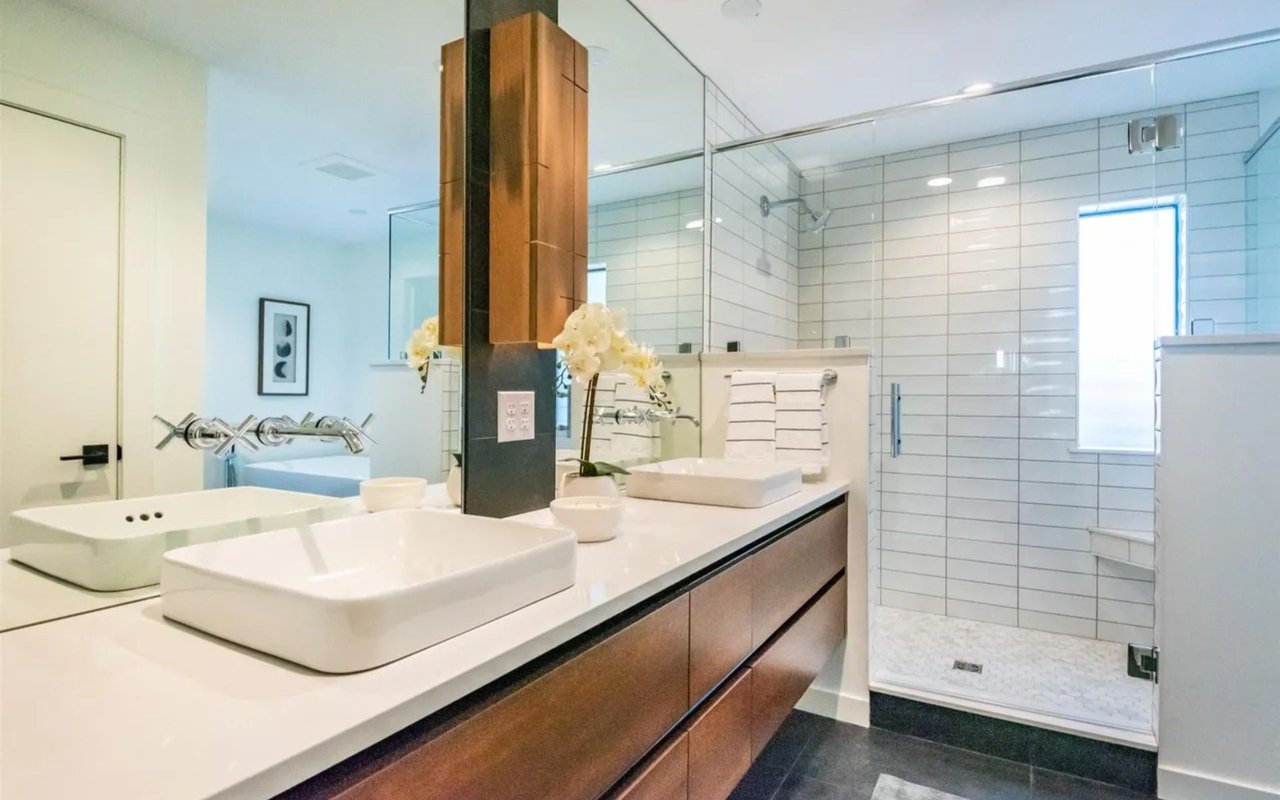
I understand why buyers are drawn to a beautifully updated home. There is something appealing about walking in and knowing you don't immediately have a list of projects. But I also try to help buyers look past finishes when it makes sense.
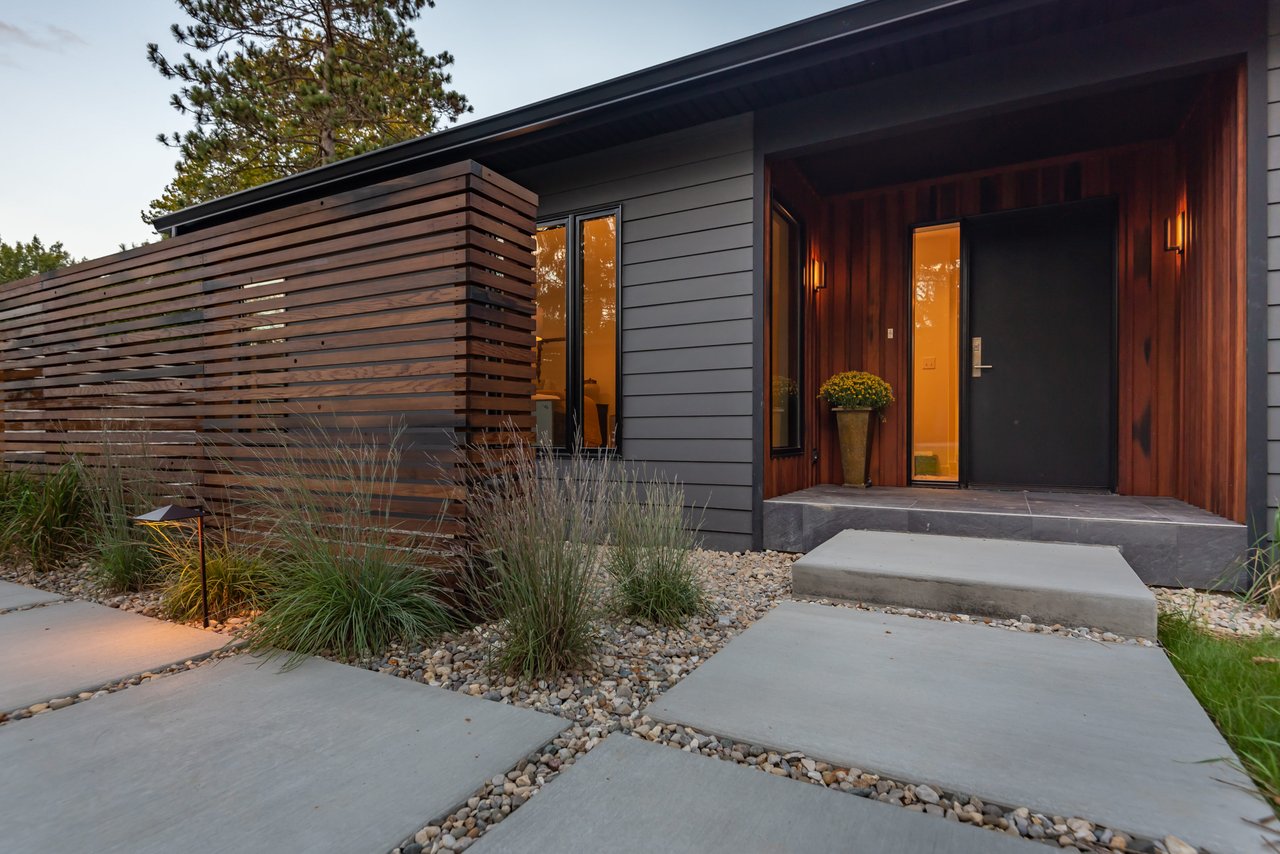
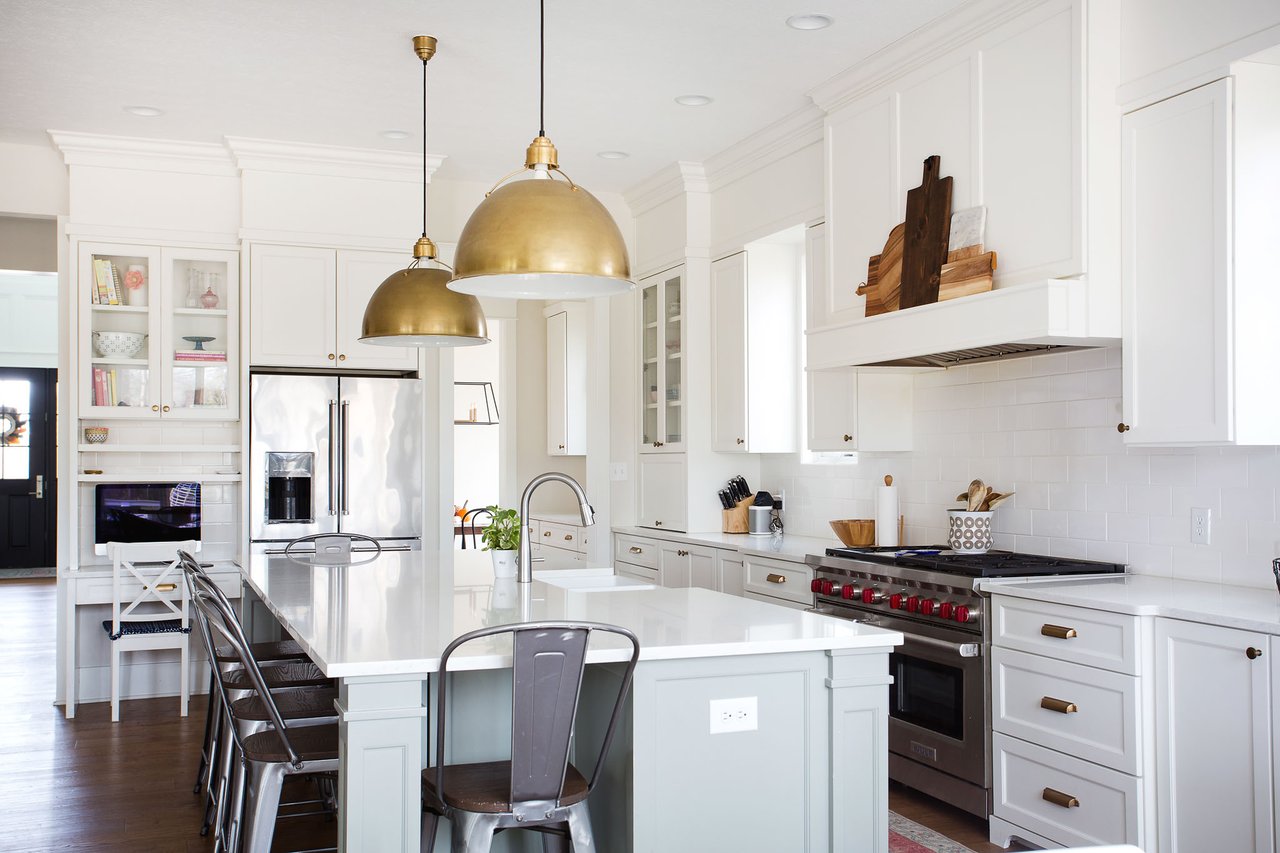
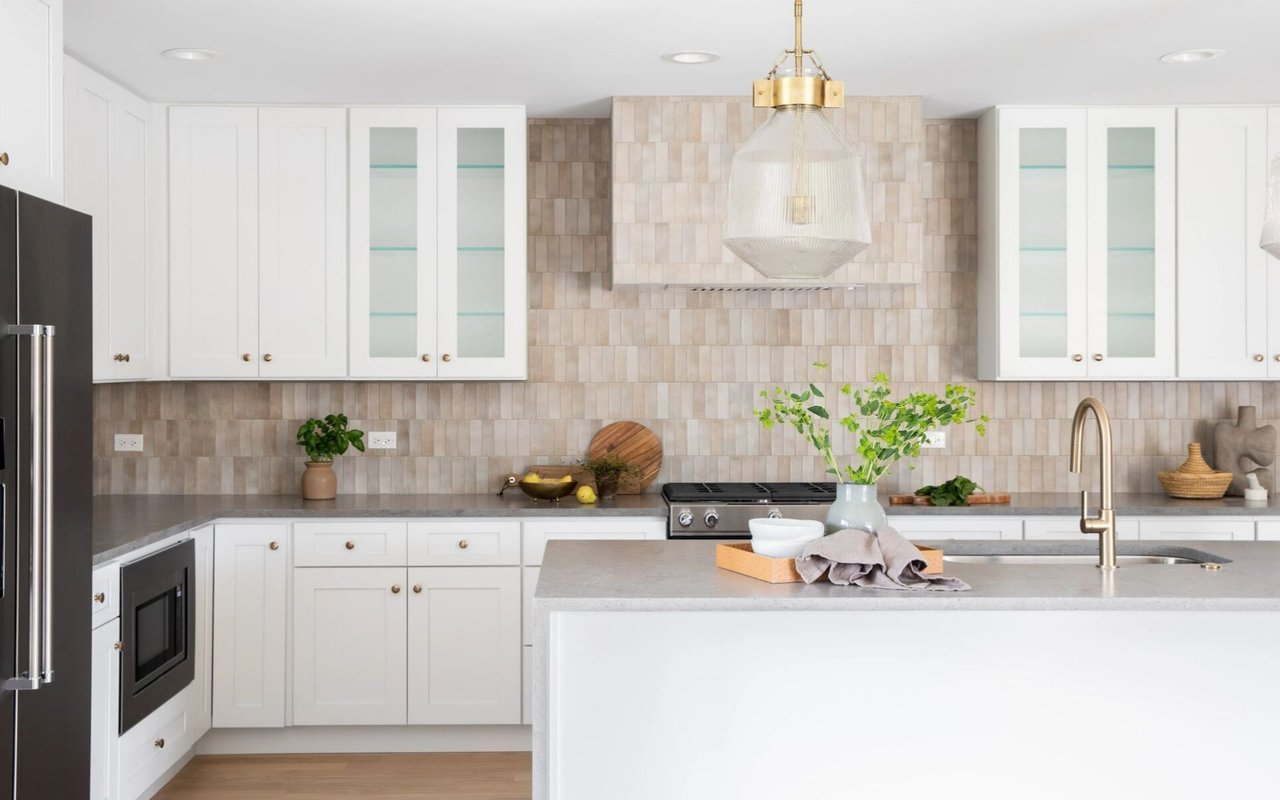
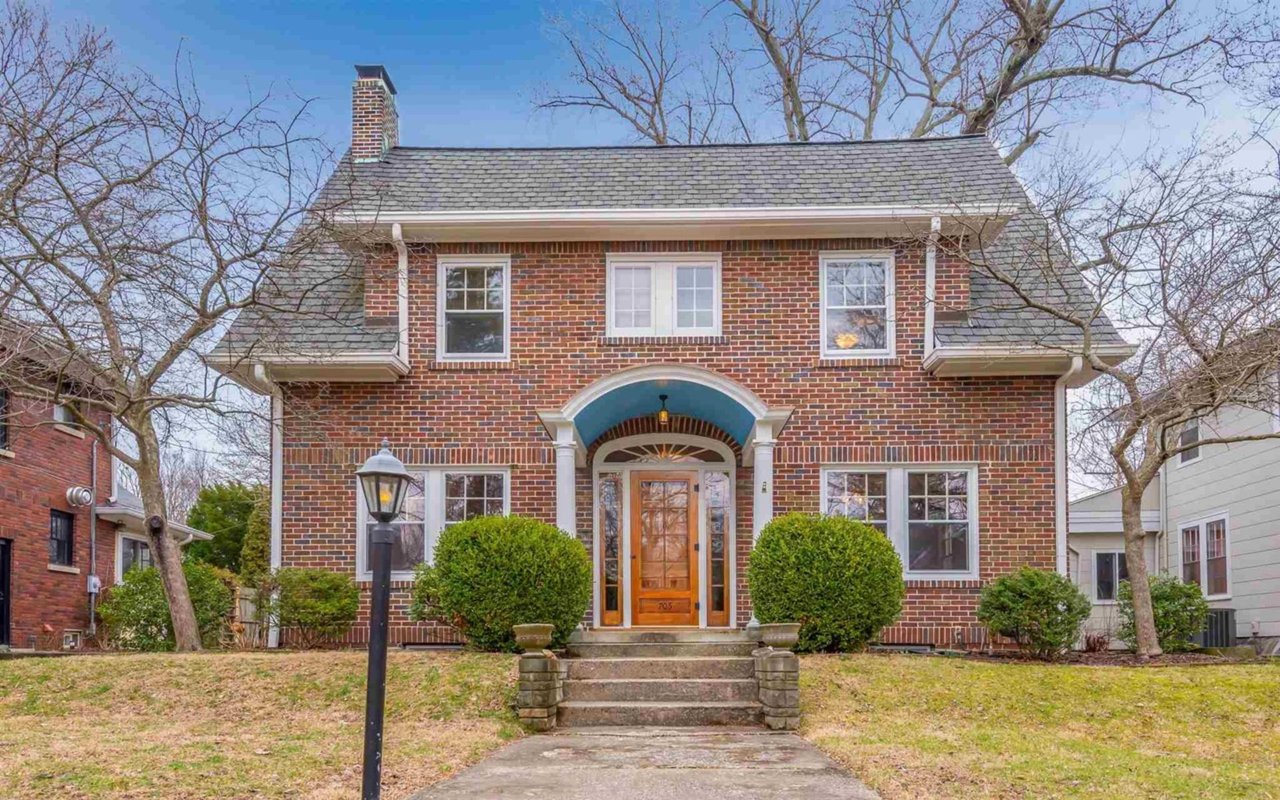
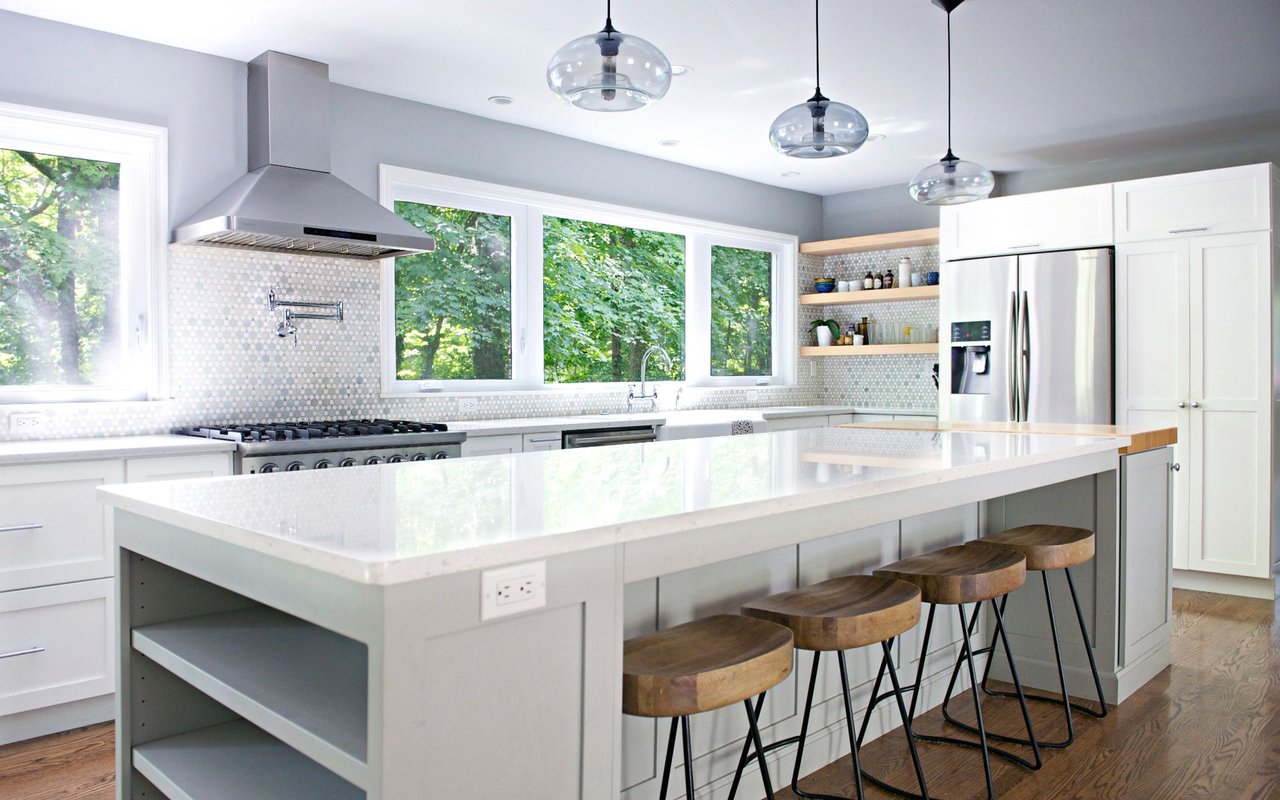
An older kitchen doesn't necessarily make a home a poor value if the floor plan is great, the home has been well maintained, and the location or lot is difficult to find. Countertops, paint, and light fixtures can be changed. Some of the most important things about a house can't.
Location Is Personal
When people talk about a "good location," I always think that needs a little context.
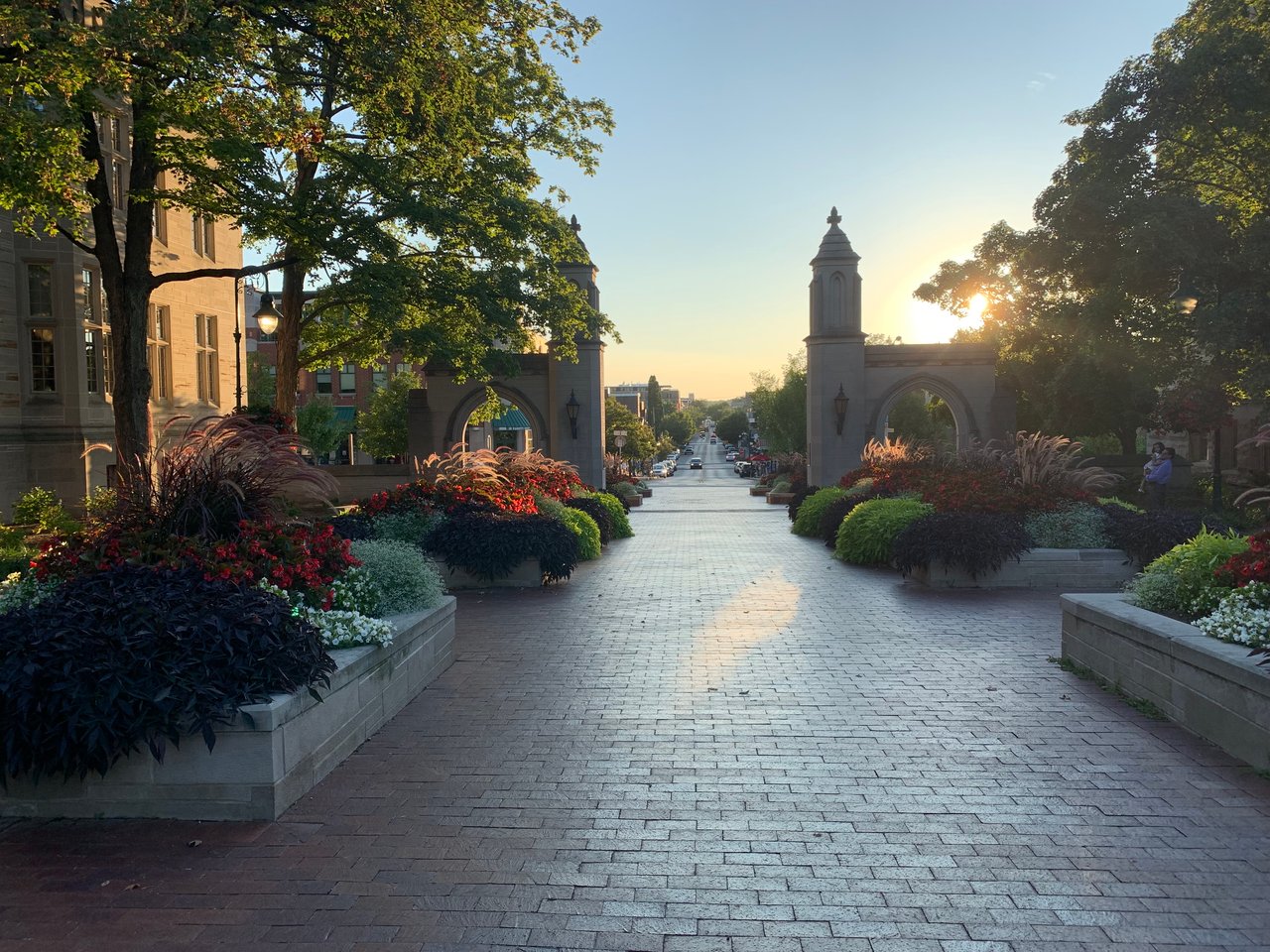
For one buyer, being close to IU and downtown is a huge advantage. Someone else would gladly drive another ten minutes for more privacy or acreage. Another buyer may care most about getting to work easily, being near trails, or living closer to Lake Monroe or Lake Lemon.
The best location isn't necessarily the same for everyone. What matters is whether you're paying for a location that has value to you.
Don't Forget About the Lot
I think buyers sometimes underestimate this one.
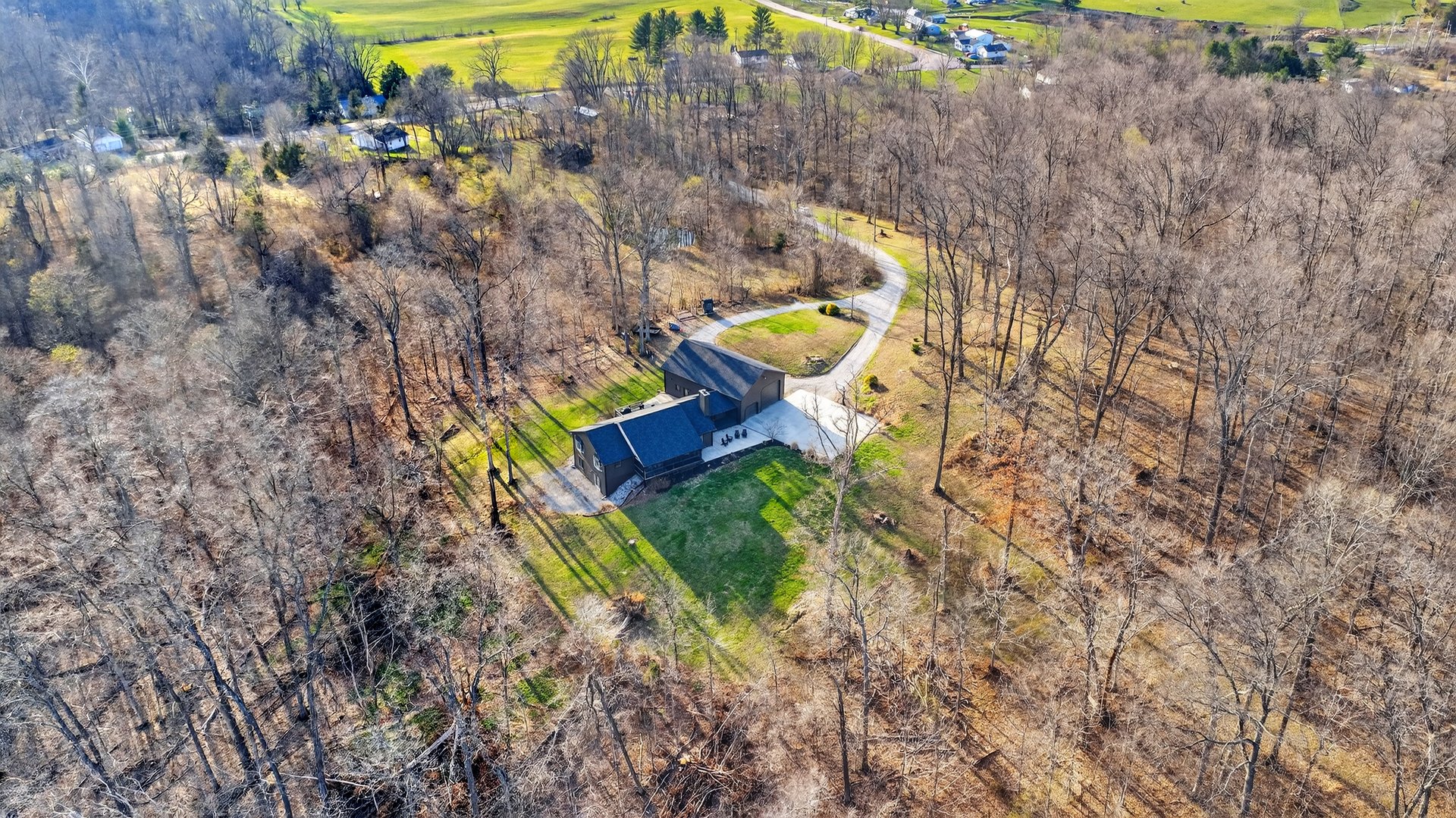
It is very easy to focus on the house when you're scrolling through listings, but once we're actually standing at the property, the lot can completely change how the home feels.
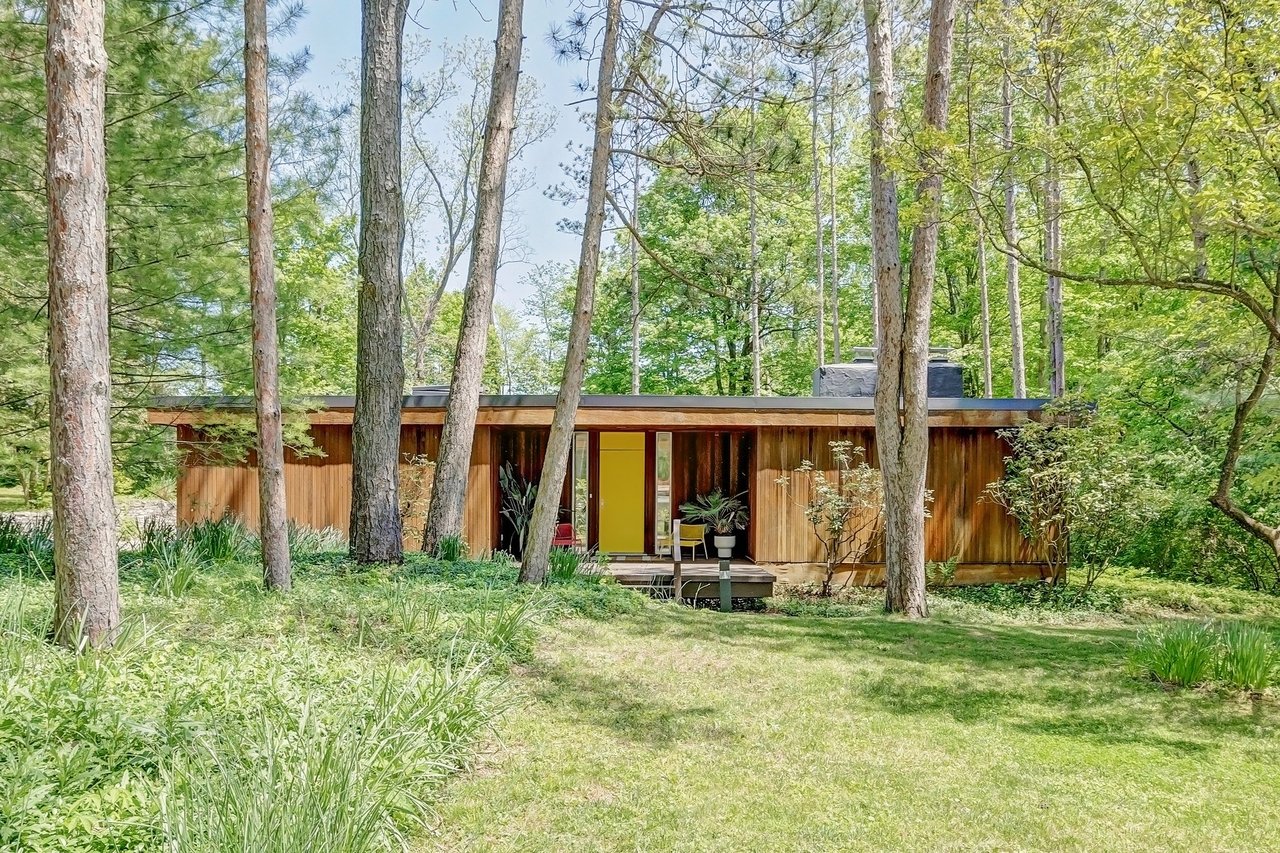
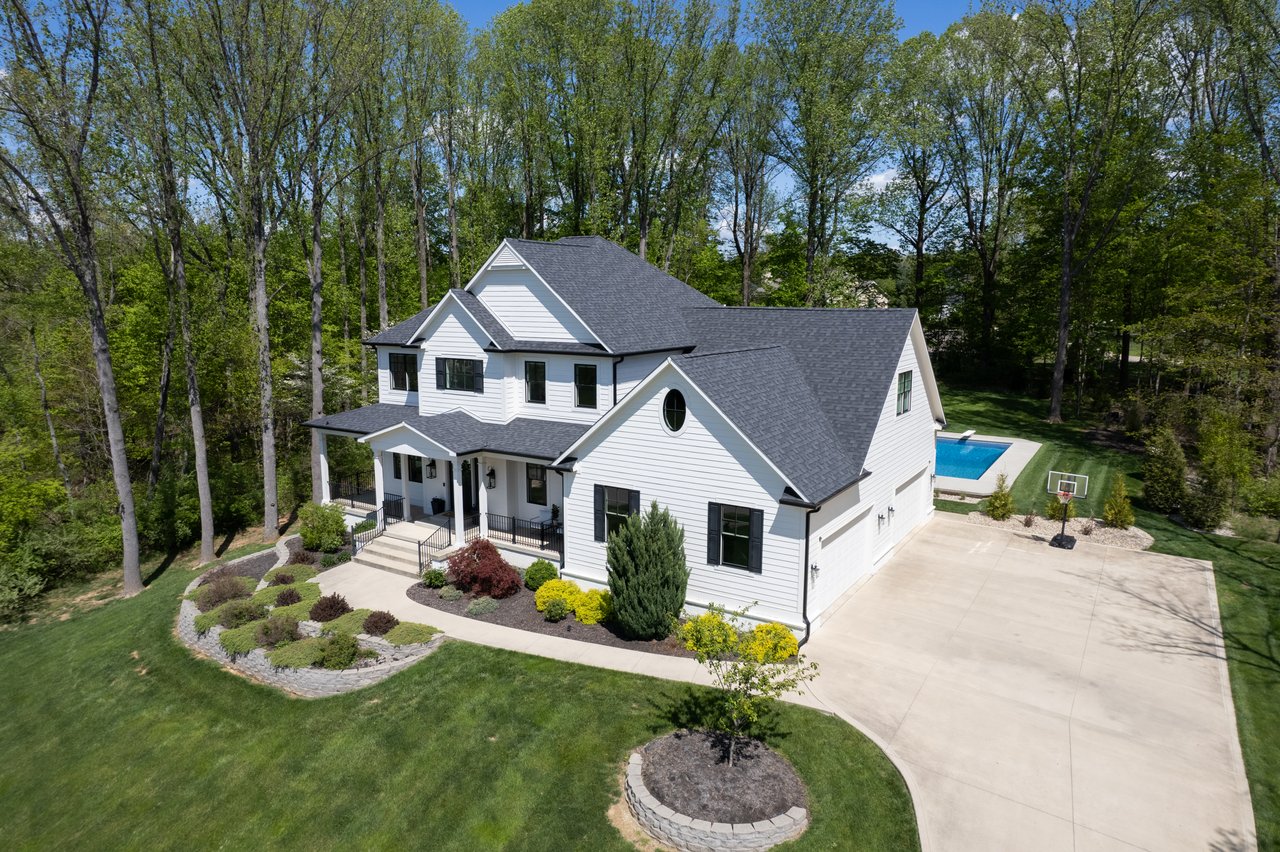
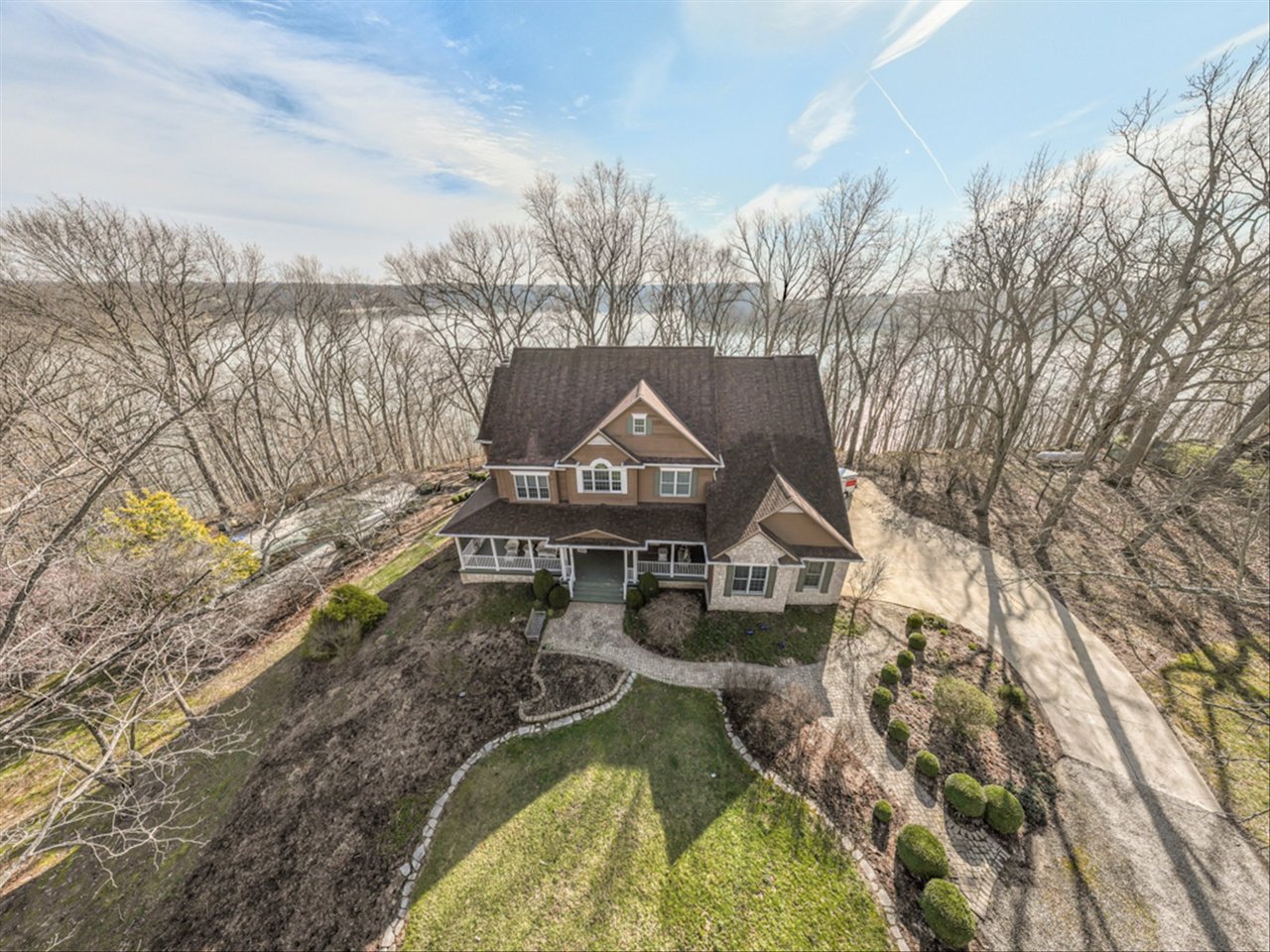
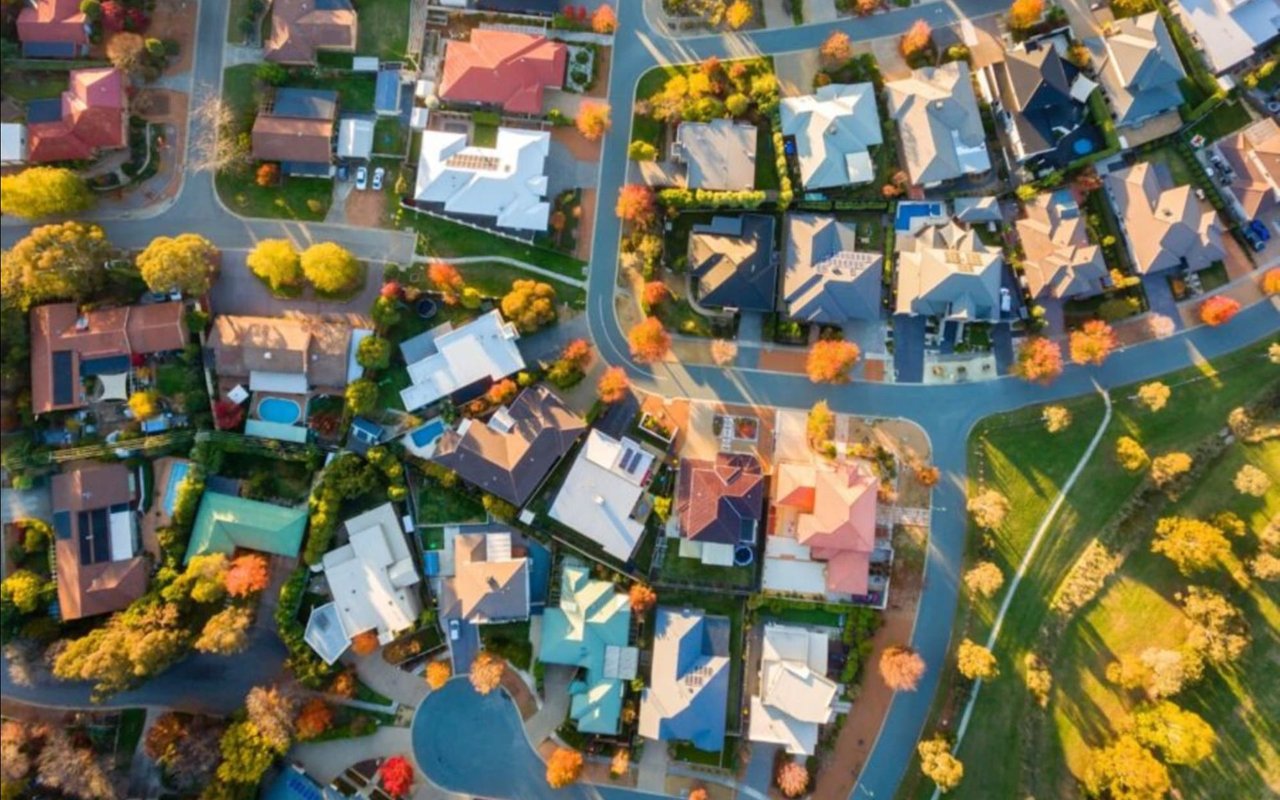
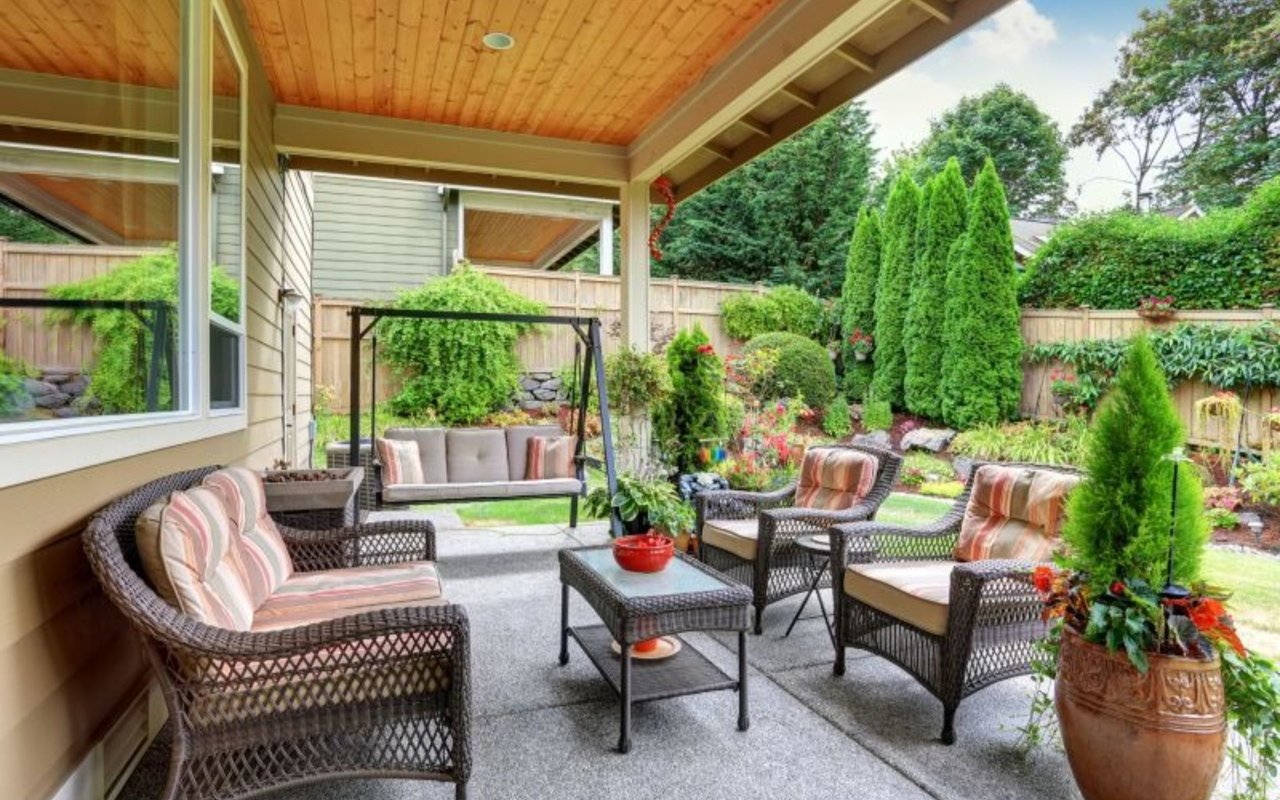
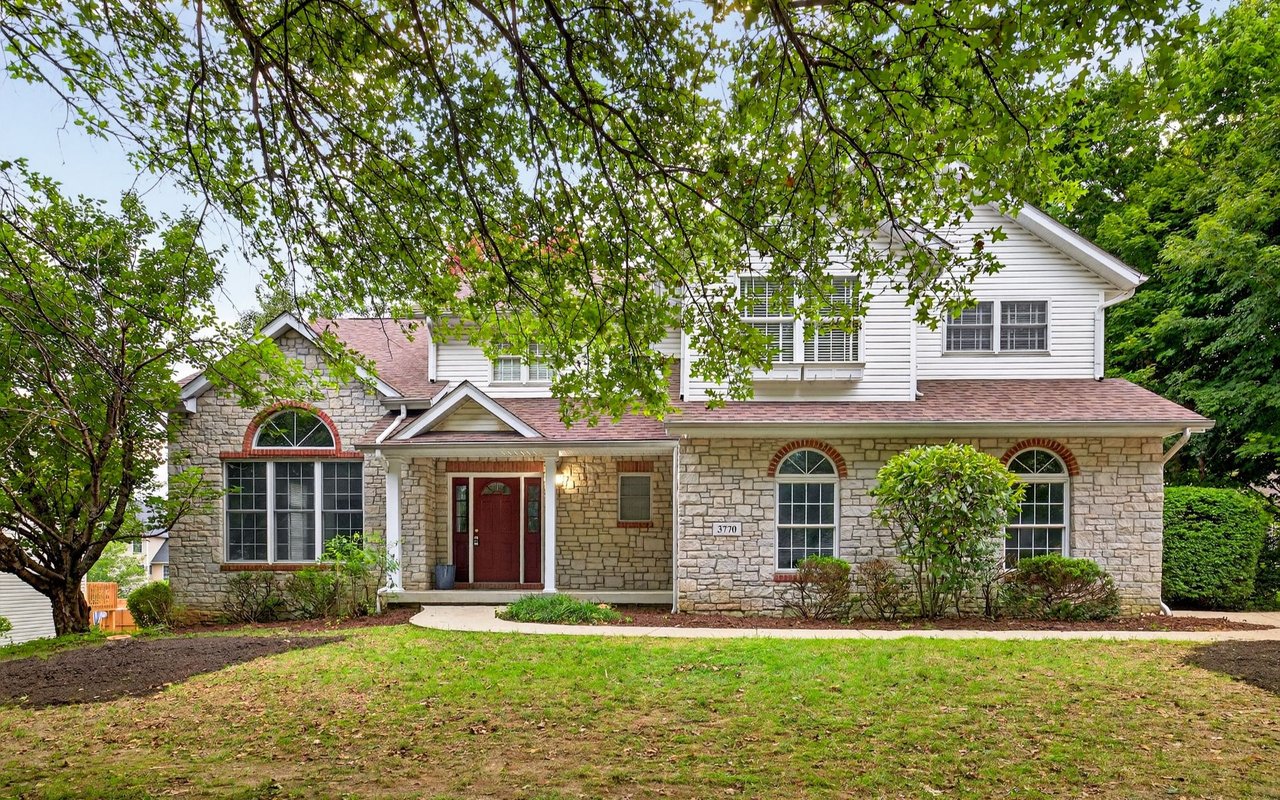
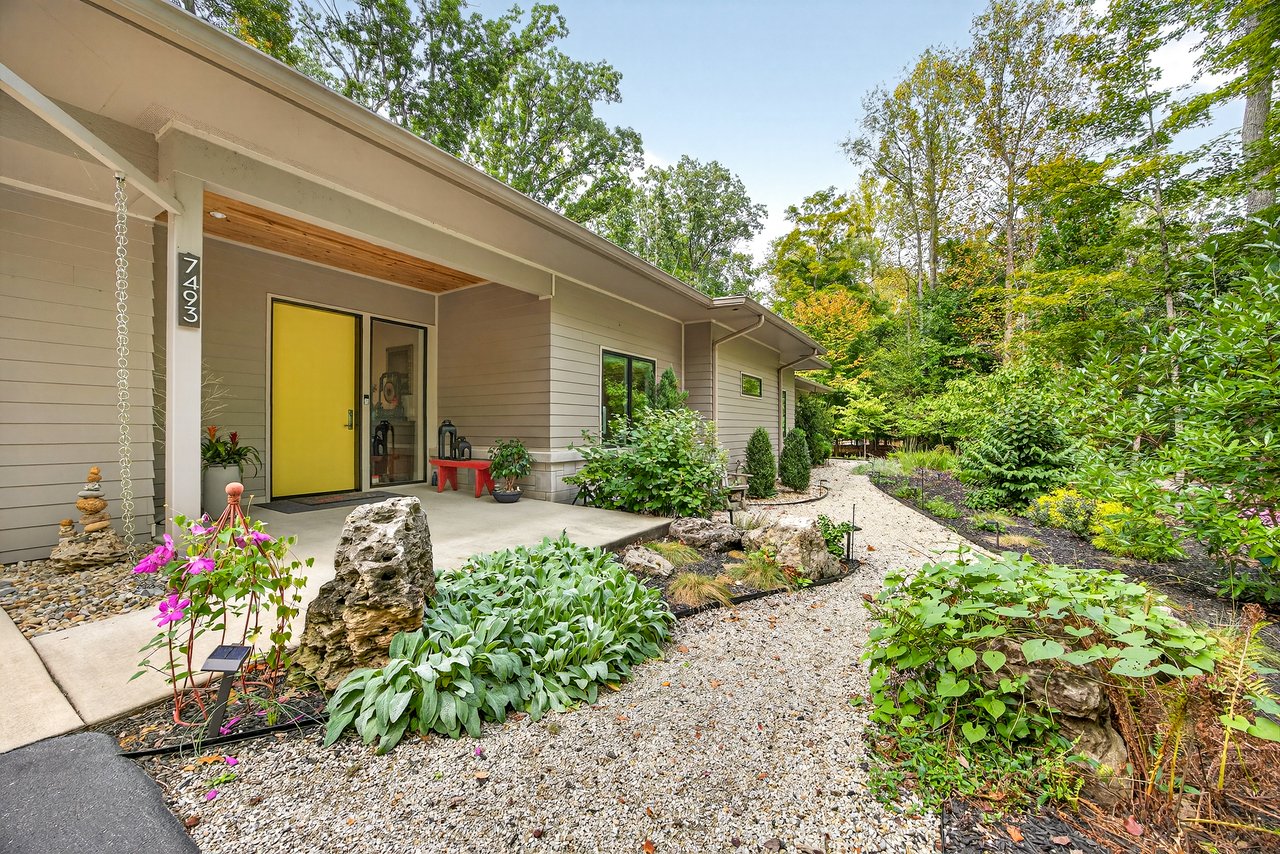
Privacy, mature trees, usable yard space, topography, where the house sits in relation to the road, and even what you see when you look out the windows can all matter differently to each buyer. I encourage buyers to think carefully about the things they couldn't easily change later.
More Square Footage Isn't Always More Valuable
I've walked through plenty of larger homes that don't actually feel as functional as smaller ones.
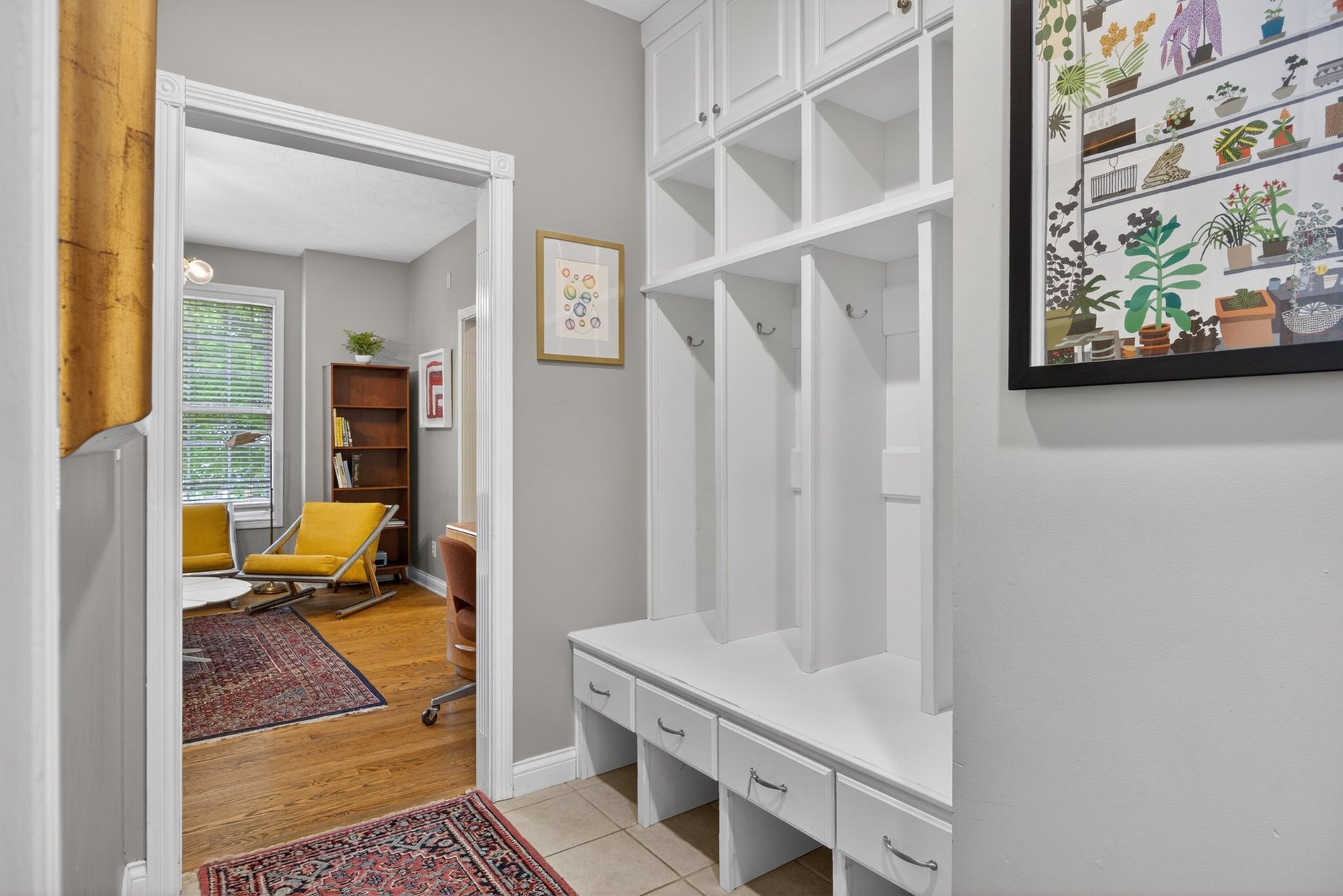
Sometimes the square footage is in places you wouldn't use very often, or laid out in ways that might work great for one buyer, but poorly for another. That's why I don't love comparing homes based on price per square foot alone.
Square footage matters, of course. But how well you're able to use that square footage matters more.
Good Maintenance Has Real Value
This isn't the glamorous part of house hunting, but it's an important one. When I see that a home has been consistently maintained, I pay attention to that.
A buyer might choose to update a bathroom or change flooring eventually. That's very different from realizing the roof, HVAC, deck, drainage, and several other major items may all need attention. Sometimes the home with the less impressive kitchen is also the one where the owners have consistently taken care of the bigger systems and maintenance items.
The Best Value Usually Involves the Right Compromises
I tell buyers all the time that there is no perfect house. Even buyers with very healthy budgets make compromises. The goal isn't to find the house with the fewest flaws. It's to find the one where the compromises make sense for you.
Maybe you live with an older kitchen because the lot is fantastic.
Maybe you choose a little less square footage because you love the neighborhood.
Maybe the house needs cosmetic work, but the floor plan, maintenance, and setting are exactly what you've been looking for.
Those can all be very smart tradeoffs.
One Question I Like Buyers to Ask
When we're comparing homes, instead of asking only:
"Which one gives me the most for my money?"
You might ask:
What does this house have that would be difficult to find or recreate somewhere else?
That question often changes the conversation.
It helps separate the things that simply look good today from the things that may make a home a good choice for years to come.
If you're buying in Bloomington, part of my job is helping you see that bigger picture. We can look at the price, but we'll also talk about the lot, location, condition, maintenance, layout, and which compromises actually matter to you.
Sometimes the best value isn't the home that gives you the most things.
It's the one that gives you the right things.
Related Reading
What Does $600,000+ Buy in Bloomington, Indiana?
What Makes a Home Stand Out to Buyers in Bloomington
Should You Buy or Sell First? How to Navigate a Move-Up Purchase in Bloomington