Every year I talk with families who are surprised by how much they may spend on housing while their student is at Indiana University.
Once you start multiplying monthly rent by several years, it is natural to wonder whether buying a home might make more sense.
Sometimes it can.
A student can live in the home, roommates may help offset the monthly costs, and at graduation the family may have an asset they can sell, continue to rent, or keep for another purpose.
But I would not look at it as simply, “Why pay rent when we could own?”
There are several numbers and practical considerations I would want a family to work through first.
Start With the Cost of Renting
Before looking at homes, figure out what your student would realistically spend on rent.
Many student leases are written for a full year, even though the student may not live there for all twelve months.
Multiply that monthly cost by the number of years you expect your student to be in Bloomington, and the total can become significant pretty quickly.
That gives you a useful starting point for comparing the cost of renting with the cost of owning.
Bloomington Has Built-In Student Rental Demand
IU Bloomington requires most first-year undergraduate students to live on campus, with some exceptions. After that first year, students can choose to live on or off campus.
That creates a steady pool of students looking for off-campus housing each year, especially in locations that make getting to campus easy.
In Bloomington, many of the most desirable student investment properties are in and around campus because location matters so much to students.
Walkability, bike access, bus routes, parking, and how easy it is to get to class can all affect how appealing a property is as a rental.
That does not mean every house near campus is automatically a good investment, but it is one reason well-located properties tend to get a lot of attention.
Roommates Can Change the Math
One of the biggest differences between buying a typical home and buying for a college student is the possibility of roommate income.
If your student lives in one bedroom and rents the others to friends, that income may help offset the mortgage, property taxes, insurance, maintenance, and other ownership costs.
But I would be conservative when estimating it.
Think about:
How much could the bedrooms realistically rent for?
How many bedrooms can actually be rented?
Will there be periods of vacancy?
Who will handle leases and rent collection?
What happens if a roommate moves out unexpectedly?
The property should still make sense even if everything does not go perfectly.
Desirable Locations May Come With More Upfront Work
One thing buyers should understand about the campus-area market is that some of the most desirable investment properties are also older homes.
Many have been rentals for years.
That can mean there is deferred maintenance to address when you buy.
Sometimes a rental stays occupied year after year, and the owner never gets a long enough vacancy window to tackle larger repairs or improvements. In other cases, if the property continues to rent easily, maintenance that is not urgent can simply get pushed down the list.
It can become a little bit of an “out of sight, out of mind” situation.
So when I am looking at a student investment property with a buyer, I am looking closely not just at the location and rental potential, but also at the condition of the roof, HVAC, plumbing, electrical systems, windows, exterior, drainage, and other larger maintenance items.
A great location can absolutely be worth investing in, but I want buyers to understand what they may need to put into the property upfront.

Look Beyond the Mortgage Payment
This is where buying can sometimes look better on paper than it really is.
The mortgage is only one piece of the cost.
You also need to consider property taxes, insurance, maintenance, repairs, closing costs, possible HOA dues, and eventually the cost of selling the property.
Student rentals can also experience more wear and tear than a typical owner-occupied home, so I would build a realistic maintenance allowance into the numbers.
If the home needs a roof, HVAC system, appliances, or major repairs during the years you own it, those costs matter.
Make Sure the Property Actually Works for Student Housing
A good house is not automatically a good student rental.
Location matters, but so does how the property functions.
I would think about things like:
How far is it from campus?
Is there enough parking?
Are the bedrooms reasonably similar?
Is there enough shared living space?
How many bathrooms are there?
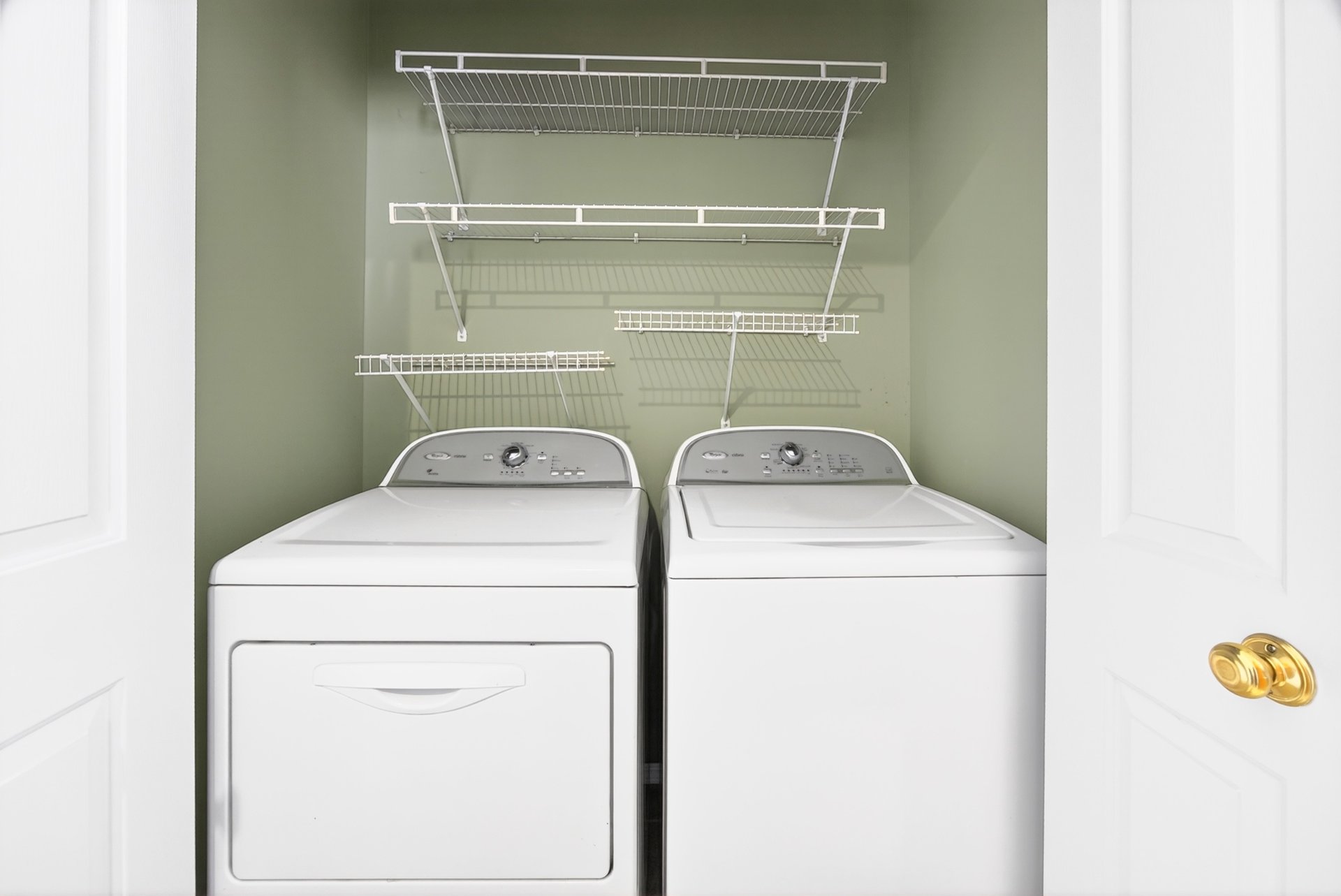
Is laundry convenient?
Would the layout work well for multiple students?
And most importantly, are you legally allowed to use the property the way you intend?
Rental permitting, zoning, and occupancy requirements can vary by property, so those details need to be verified before assuming a particular home will work as student housing.
Financing Needs to Be Discussed Early
Financing for this type of purchase can depend on who is buying the property, who will live there, how ownership is structured, and how the lender classifies the home.
That is a conversation I would have with a lender before getting too far into the search.
I would also encourage buyers to talk with a tax professional or attorney if parents and a student will share ownership, because there may be tax and legal considerations beyond the home purchase itself.
Property Taxes Can Affect the Numbers
Property taxes can make a big difference in the monthly cost of ownership.
The amount can vary depending on how the property is owned and whether it qualifies as a principal residence.
This is one of those areas where I would want buyers to confirm the details rather than make assumptions based on a general estimate.
Buy With the Exit Strategy in Mind
This may be the most important part.
Your student will eventually graduate.
What happens then?
You could sell the property.
You could keep it as a rental.
Another child may use it.
You may decide to hold it longer if the property continues to make sense as an investment.
I like to talk about that before the purchase, not four years later.
A home that works beautifully for your student but would be difficult to resell or manage as a rental may not be the best investment.
Ideally, we are looking for a property that gives you more than one good option at the end.
Appreciation Is a Bonus, Not the Whole Plan
It is tempting to assume the property will be worth significantly more by the time your student graduates.
It might be.
But I would not build the entire decision around appreciation.
If the numbers only work because the home has to increase substantially in value over three or four years, I would be cautious.
I would rather see the decision make sense based on the housing cost, potential roommate income, principal paydown, and the usefulness of the property itself.
If appreciation happens too, that is a benefit.
Run the Numbers Conservatively
Before buying, I would want to look at several scenarios.
What happens if roommate income is lower than expected?
What if there is a major repair?
What if you sell sooner than planned?
What if the home appreciates very little?
What if you decide to keep it as a rental after graduation?
Looking at the numbers conservatively can help you understand whether the property still makes sense when things do not go exactly according to plan.
What I Tell Parents Considering This
Buying a home for your college student can be a smart strategy in the right situation.
It can provide stable housing, allow roommate rent to offset some of the costs, and give your family the opportunity to build equity instead of sending every housing dollar to a landlord.
But it is still a real estate investment.
The property, price, location, condition, financing, rental rules, maintenance costs, and exit strategy all matter.
If you are considering buying a home for your IU student, I can help you look at properties through both lenses:
Will this work well for your student now, and will it still make sense for your family later?
Related Reading
Moving to Bloomington, Indiana: Here's My Relocation Guide